Why Restaurant Indian Fusion Is Redefining Modern Dining
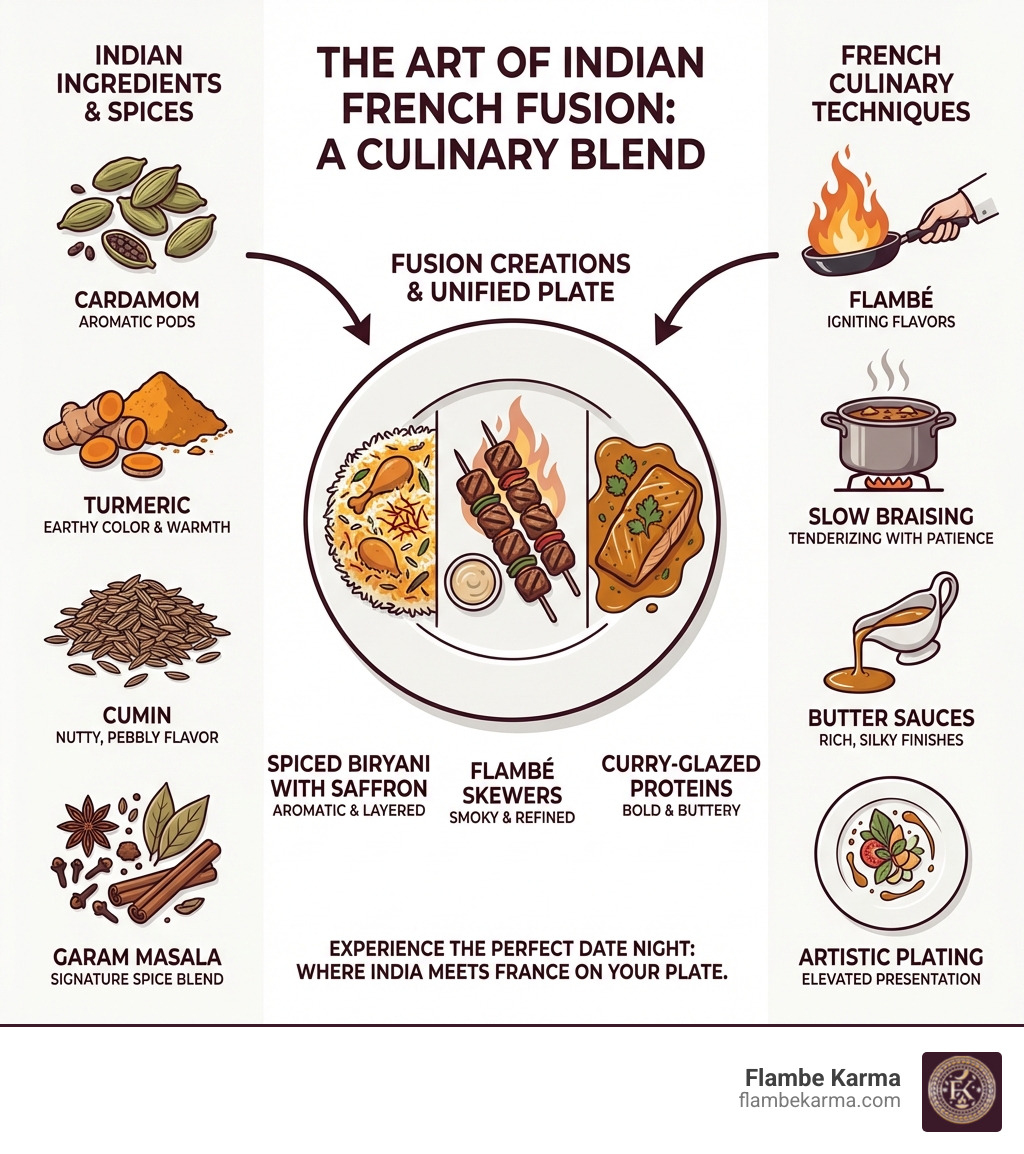
Restaurant Indian fusion brings together the bold, aromatic traditions of Indian cooking with global flavors and techniques from around the world. If you’re looking to explore these innovative dining experiences, here’s what you need to know:
Top Features of Indian Fusion Restaurants:
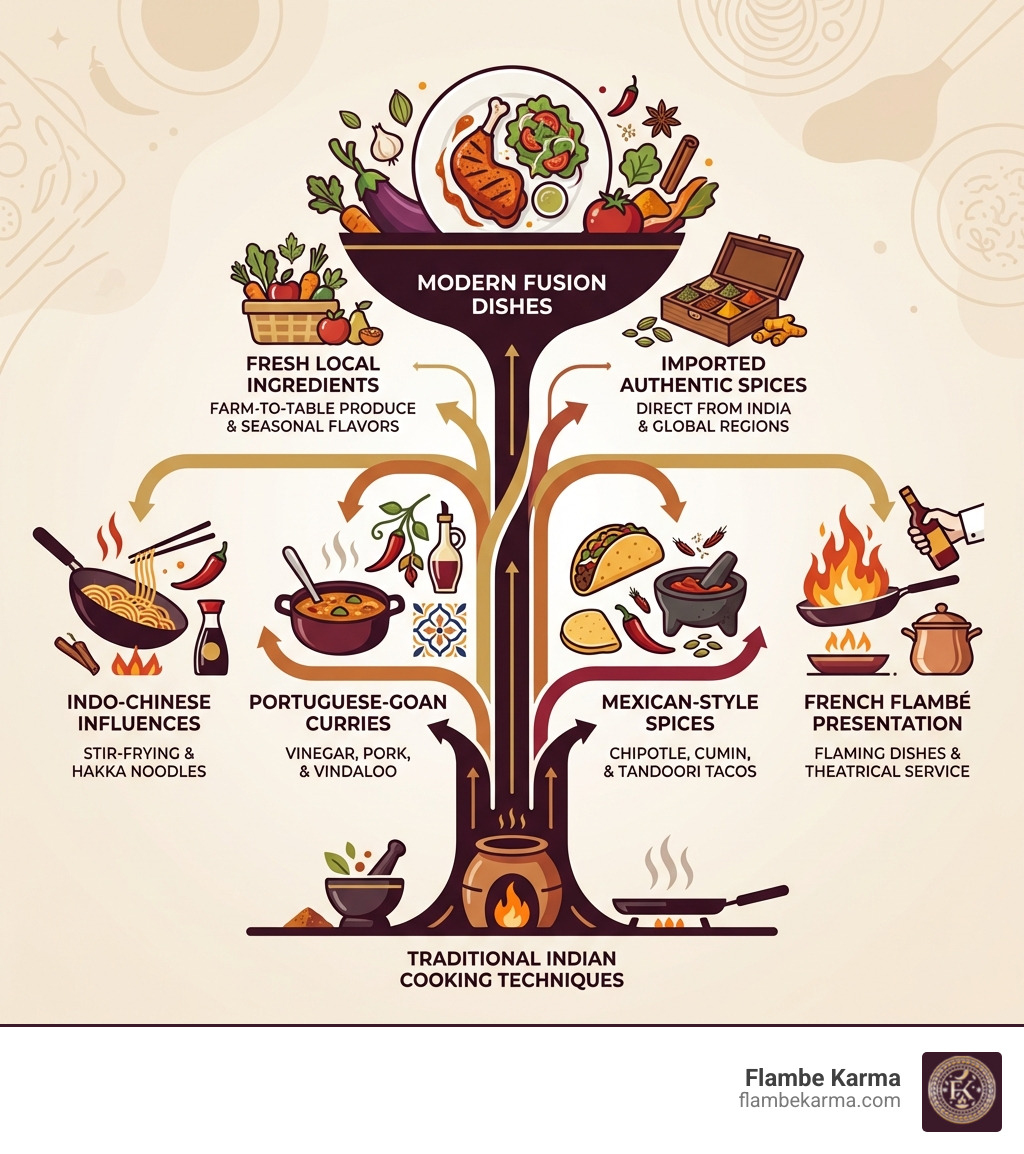
- Traditional meets global: Dishes blend Indian spices with Indo-Chinese, Portuguese, Mexican, and American influences
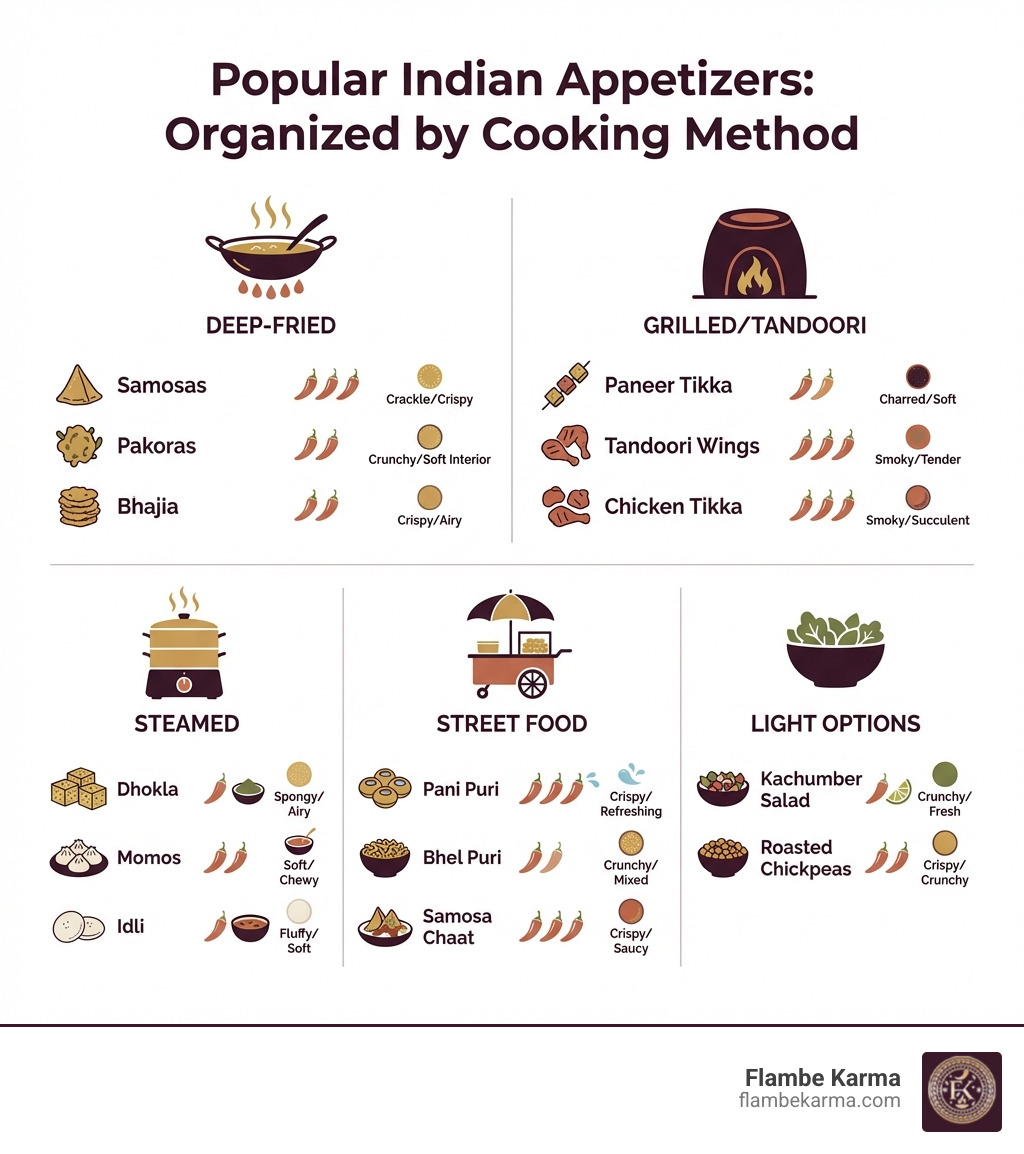
- Modern cooking techniques: Tawa griddles, Sigri barbecues, tandoori ovens, and flambé presentation
- Fresh ingredients: Locally-sourced produce paired with authentic imported spices from India
- Innovative menus: Small plates, sharing-style dining, craft cocktails, and fusion desserts
- Unique atmospheres: Artistic decor, modern lounges, and culturally-inspired settings
Common Fusion Dishes to Try:
- Chili Paneer and Indo-Chinese favorites
- Smoked Salmon Puchkas and creative appetizers
- Portuguese-influenced Goan curries
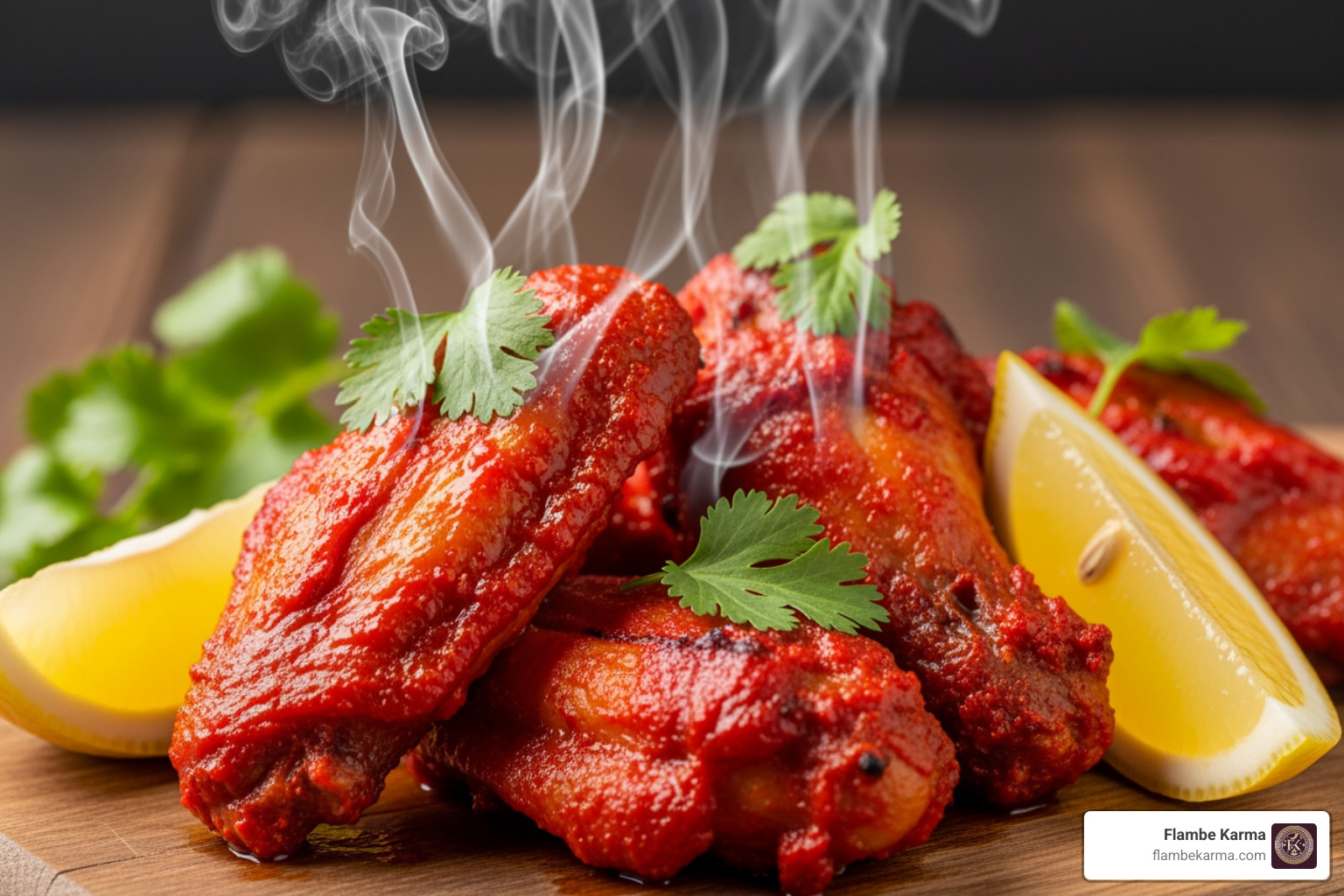
- Tandoori dishes with international twists
- Jaggery pancakes and fusion desserts
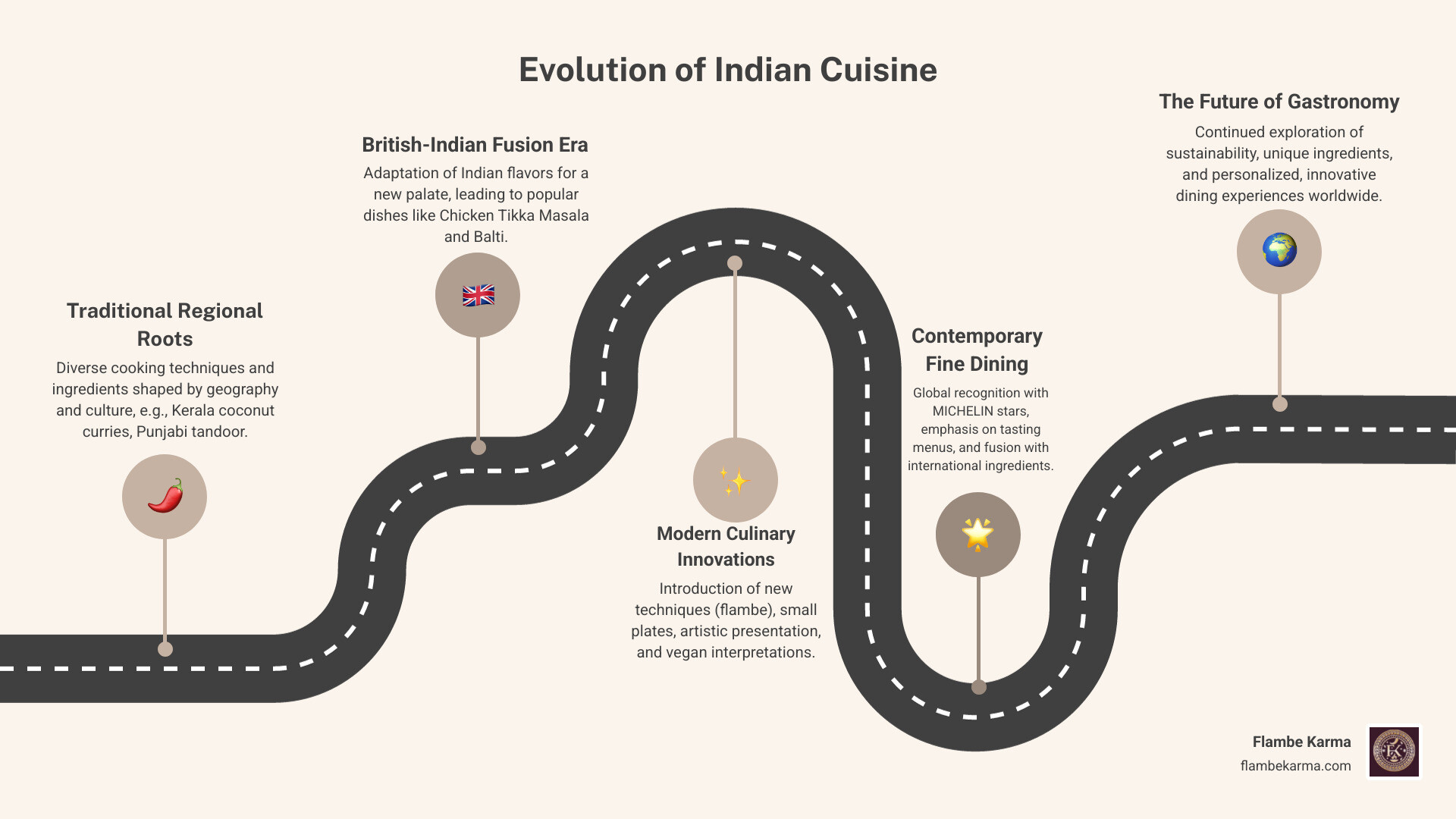
Indian fusion cuisine has grown from experimental to celebrated. Some restaurants have earned James Beard nominations and top spots in national dining guides. The best fusion spots layer spices in stages, slow-simmer gravies for depth, then incorporate techniques like high-heat stir-frying or dramatic flambé service to create something entirely new.
What makes these restaurants special isn’t just novelty—it’s the way they honor traditional recipes while embracing creativity. You might find butter chicken paired with fresh naan, sitting alongside crispy buffalo burgers or Mexican-spiced tandoori. Menus often feature vegetarian, vegan, halal, and gluten-free options, making fusion accessible to everyone.
As Patrycja Szkutnik, Creative Director at Flambè Karma, I’ve spent years working alongside my husband Chef Niaz to create restaurant Indian fusion experiences that marry his mother’s traditional Indian recipes with French flambé techniques and European aesthetic sensibilities. Together, we’ve learned that the best fusion dining happens when culinary passion meets thoughtful, beautiful design.
What Defines a Modern Restaurant Indian Fusion Experience?
When we talk about a restaurant indian fusion experience, we aren’t just talking about putting curry powder on a burger. It is a sophisticated culinary movement that respects the “soul” of Indian cooking while inviting global partners to the plate. In our locations in Buffalo Grove and Glen Ellyn, we see this as an artistic endeavor. It’s about taking Signature Dishes That Bring Flair to Indian Cuisine and elevating them through a lens of global creativity.
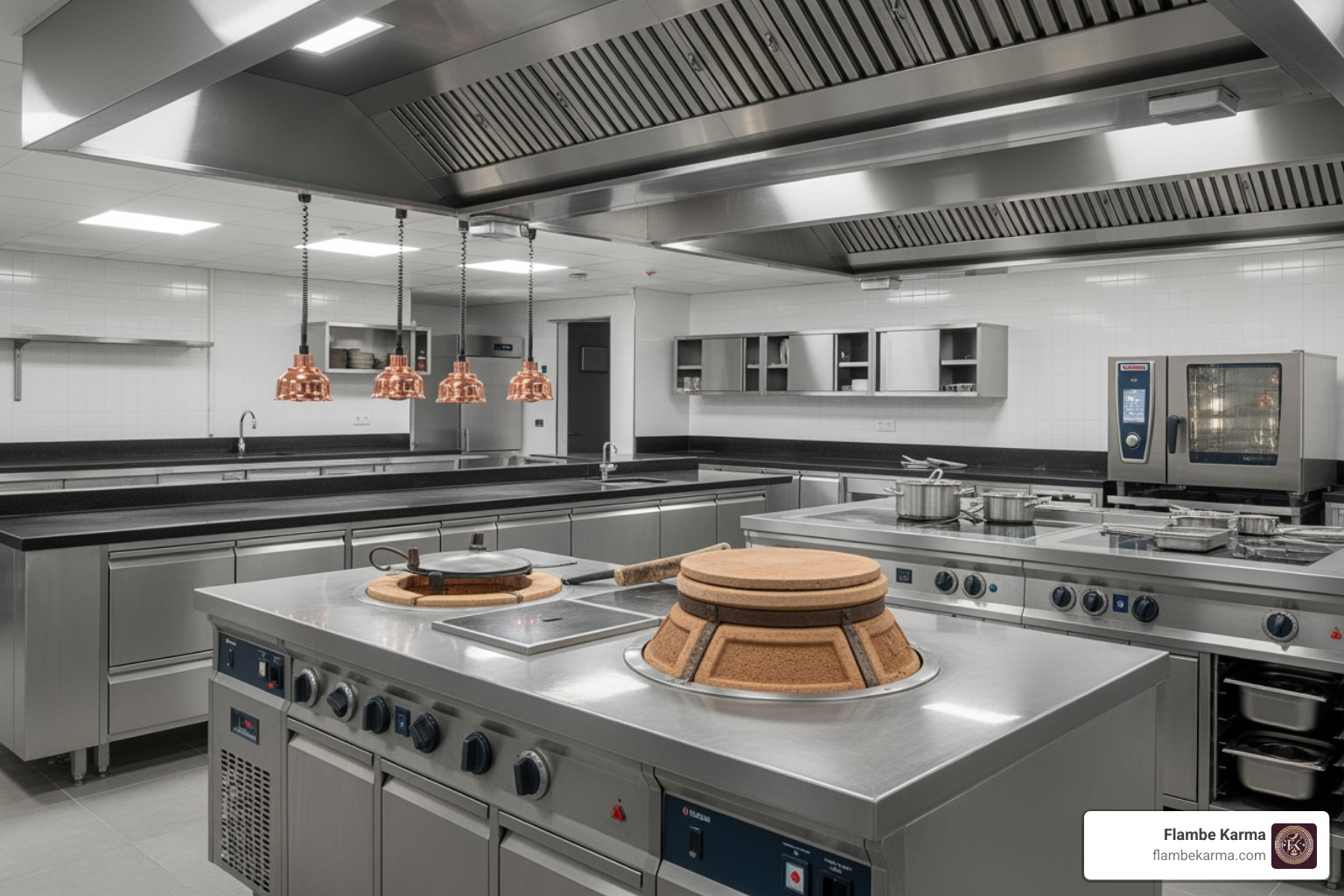
Modern fusion is defined by the marriage of global ingredients with time-tested traditional techniques. While the flavors might be new, the bones of the cooking often rely on ancient tools. For instance, a high-quality fusion spot will still utilize:
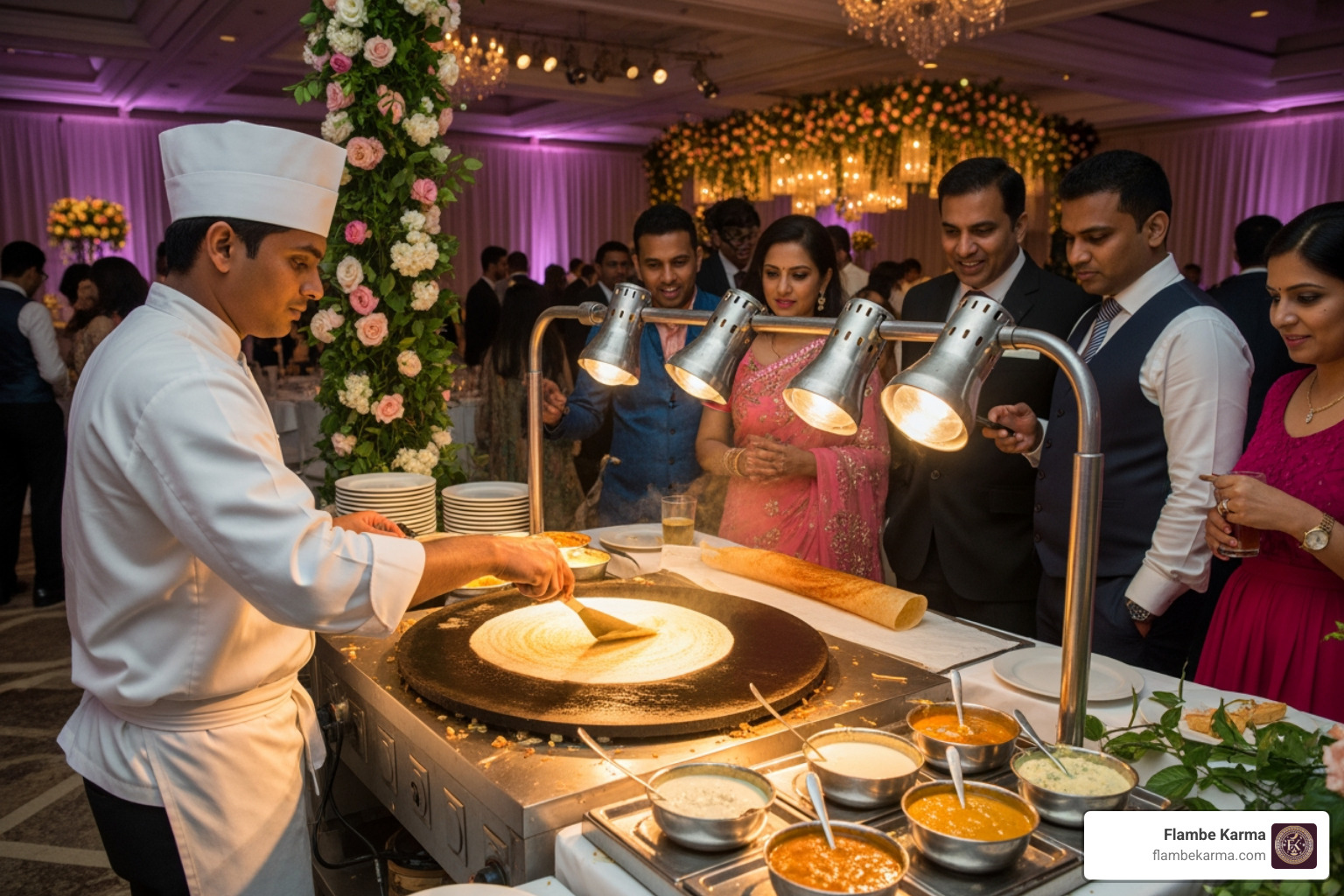
- The Tawa Griddle: Used for searing and creating that perfect texture on flatbreads or fusion sliders.
- The Sigri Barbeque: An open-flame grill that imparts a smoky depth you simply can’t get from a standard kitchen stove.
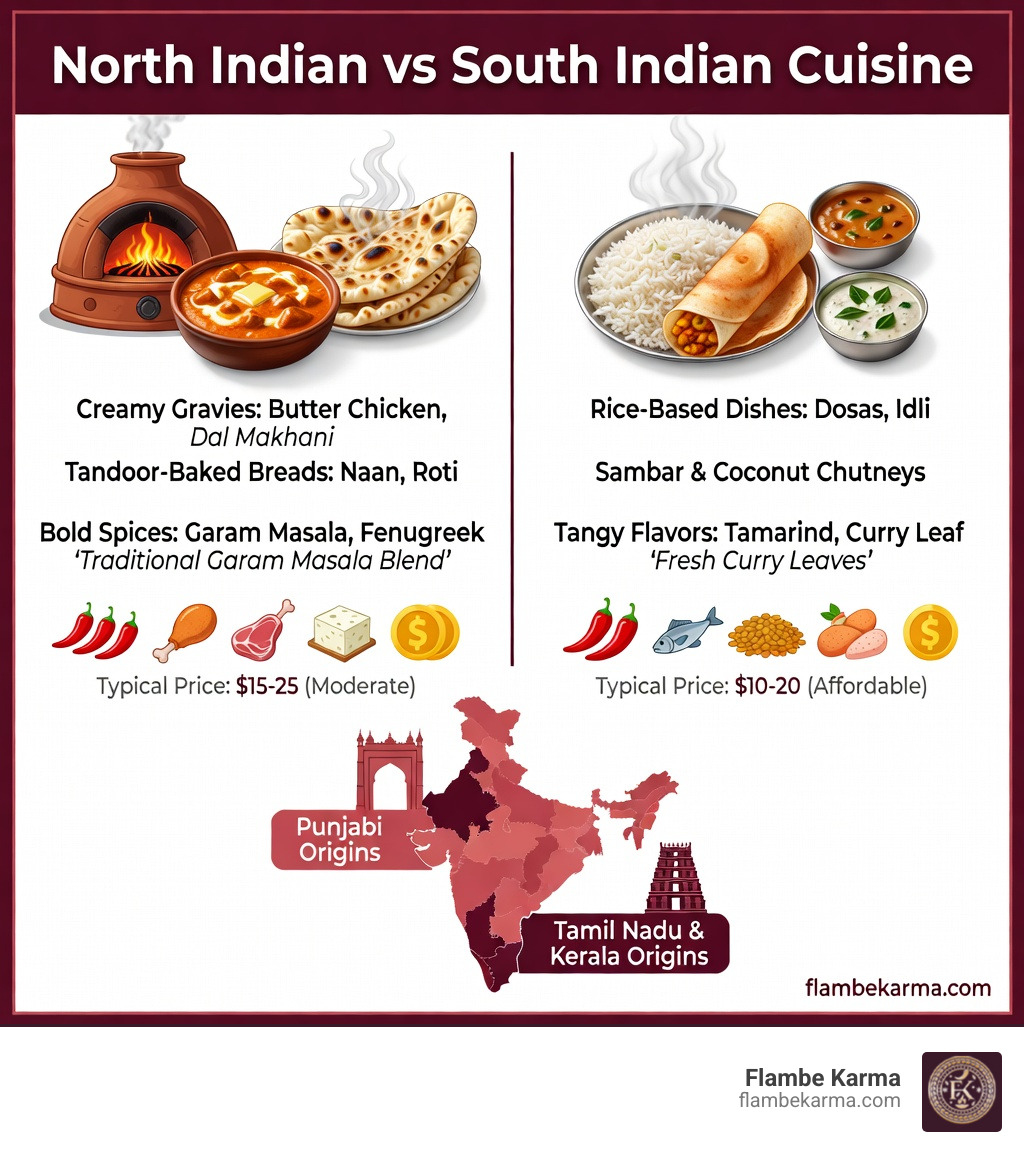
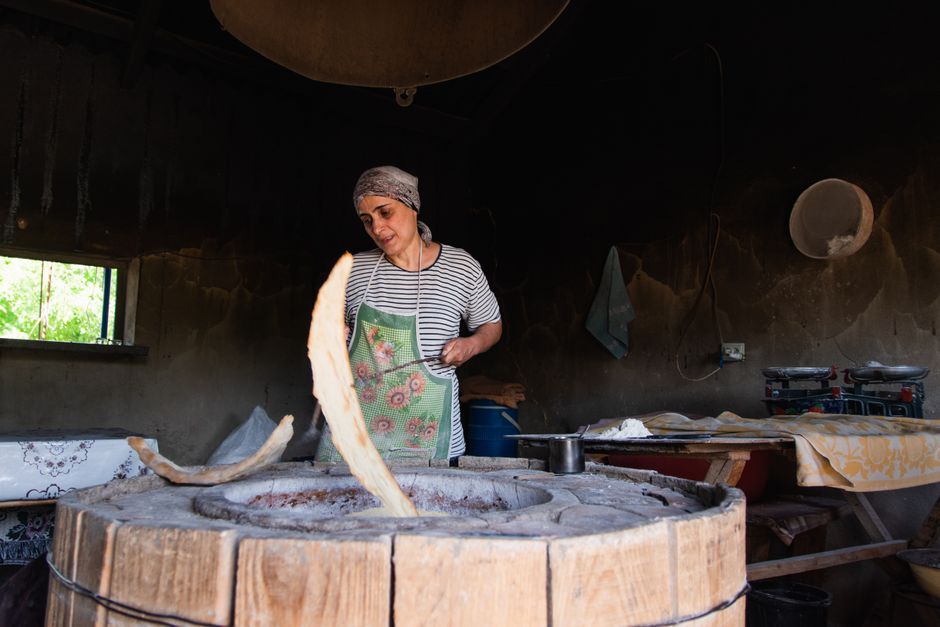
- The Tandoori Oven: The heart of the Indian kitchen, used to roast meats and bake breads at blistering temperatures.
The prestige of this cuisine has skyrocketed in recent years. In the broader culinary world, chefs specializing in modern Indian interpretations have been recognized as 2019 James Beard Nominees, proving that fusion is no longer a “niche” trend—it is fine dining at its most exciting.
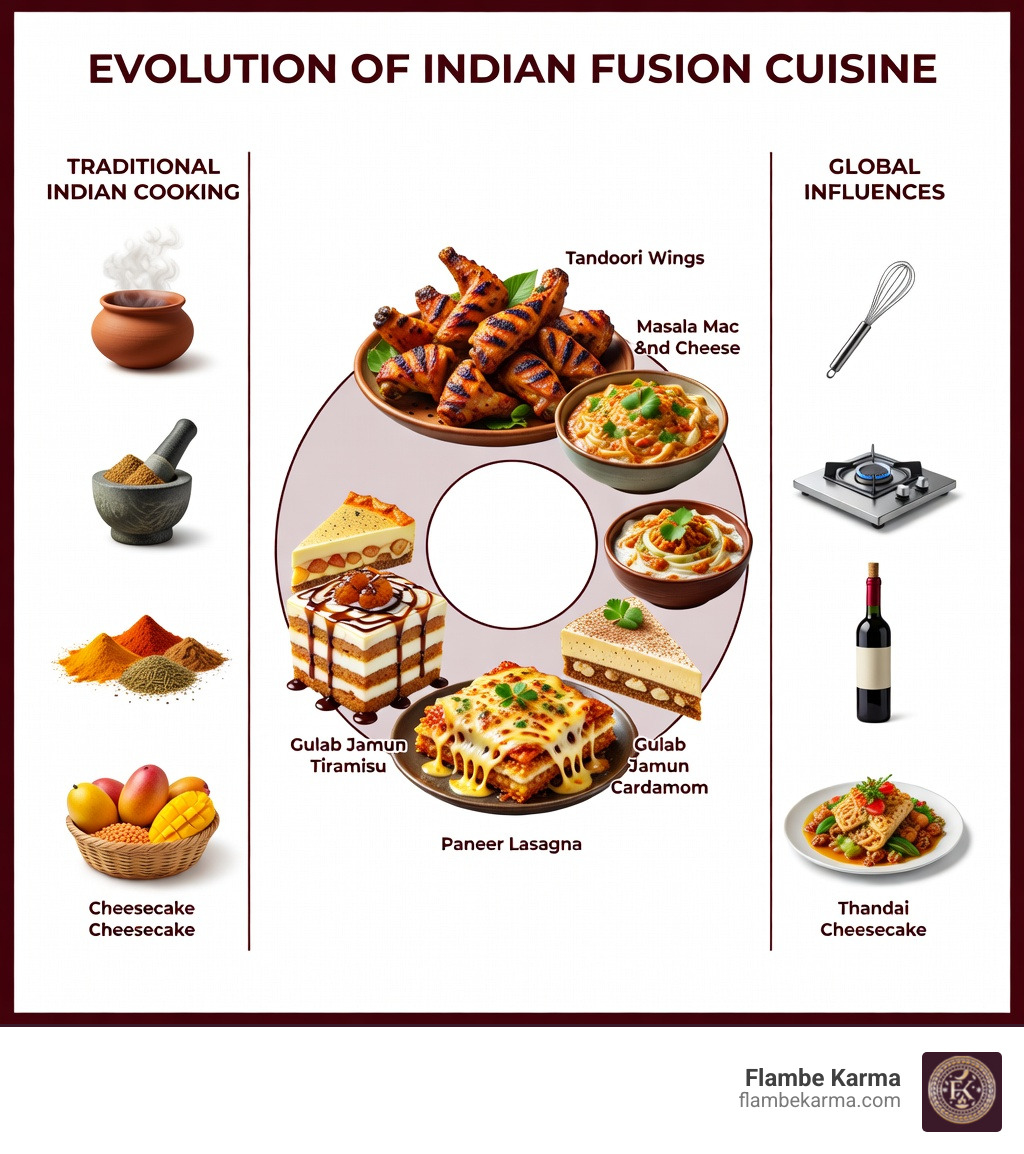
Blending Traditional Flavors with Global Influences
The magic of a restaurant indian fusion menu lies in its ability to tell a story through “flavor boundaries.” We often look at history to find these natural pairings. Consider the Indo-Chinese influence—a result of the Chinese community in Kolkata blending high-heat stir-frying with Indian spices. This gave us staples like Chili Chicken and Vegetable Manchurian, which offer a “zesty” kick that bridges two massive culinary worlds.
Then there is the Portuguese-Goan connection. When Portuguese explorers settled in Goa, they brought vinegar and chilies, leading to the creation of tangy, spicy Goan-style curries. Modern fusion takes this even further, perhaps introducing Mexican-Indian fusions where the smokiness of a chipotle meets the earthiness of cumin, or American-Indian blends where a classic buffalo wing sauce is reimagined with a hint of garam masala. It’s culinary storytelling at its finest, and we love seeing our guests’ faces light up when they recognize a familiar flavor used in a completely unexpected way.
The Role of Fresh and Imported Ingredients
You can’t have a world-class restaurant indian fusion dish without world-class ingredients. We believe in a “dual-sourcing” philosophy.
- Locally-Sourced Produce: We frequent local farmers’ markets to find seasonal vegetables that are at their peak. Using a local Illinois tomato in a makhani sauce makes a world of difference compared to using something that traveled thousands of miles in a crate.
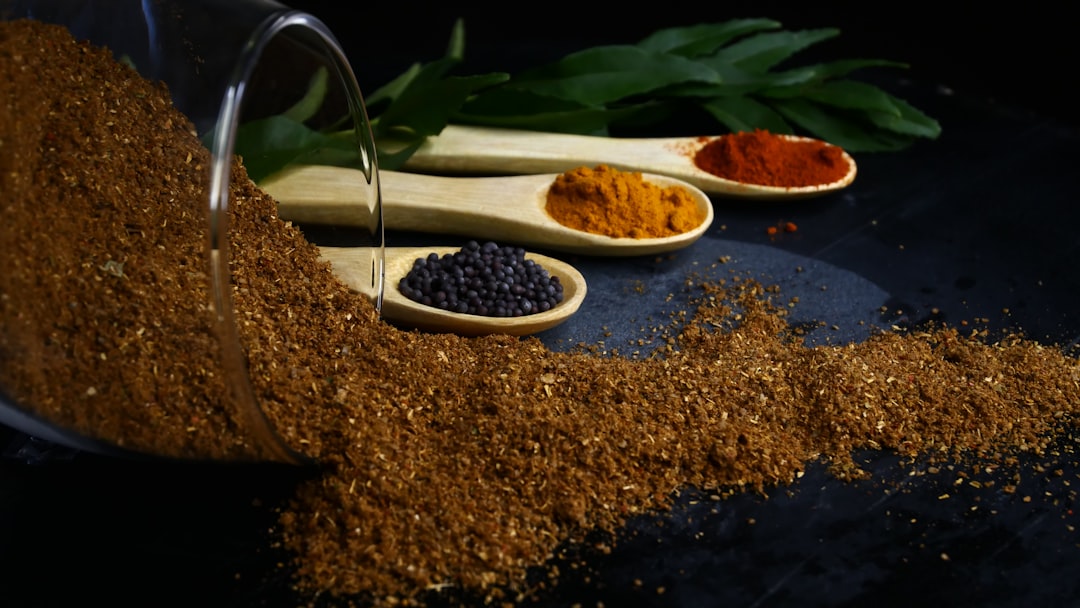
- Imported Spices: While the veggies are local, the “aromatics” must be authentic. We rely on spices imported directly from India—whole cumin, cardamom pods, and Kashmiri chilies—to ensure the foundation of the dish remains true to its heritage.
This commitment to quality ensures that even the most “experimental” dish feels grounded in quality. Whether it’s using free-range, pasture-raised organic eggs for a fusion breakfast dish or sourcing local honey for a dessert, the goal is always freshness.
Signature Flavors: Exploring the Fusion Menu
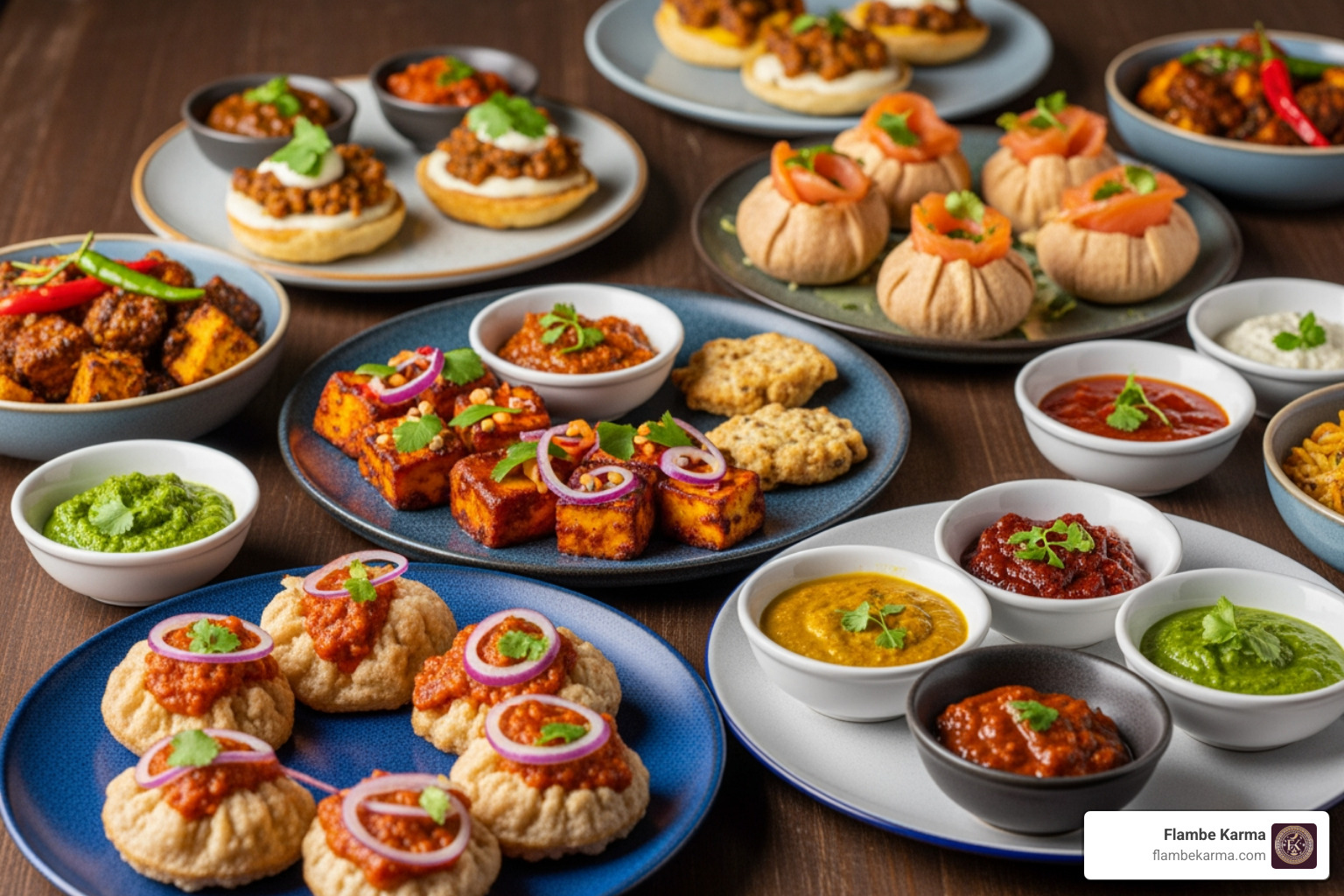
Walking into a restaurant indian fusion spot should feel like opening a treasure chest. The menu is designed for exploration. One of the best ways to experience this is through a “sharing culture.” Instead of the traditional “one person, one entree” approach, fusion dining often emphasizes small plates. This allows you to try a bit of everything—a Smoked Salmon Puchka here, a Chili Paneer there.
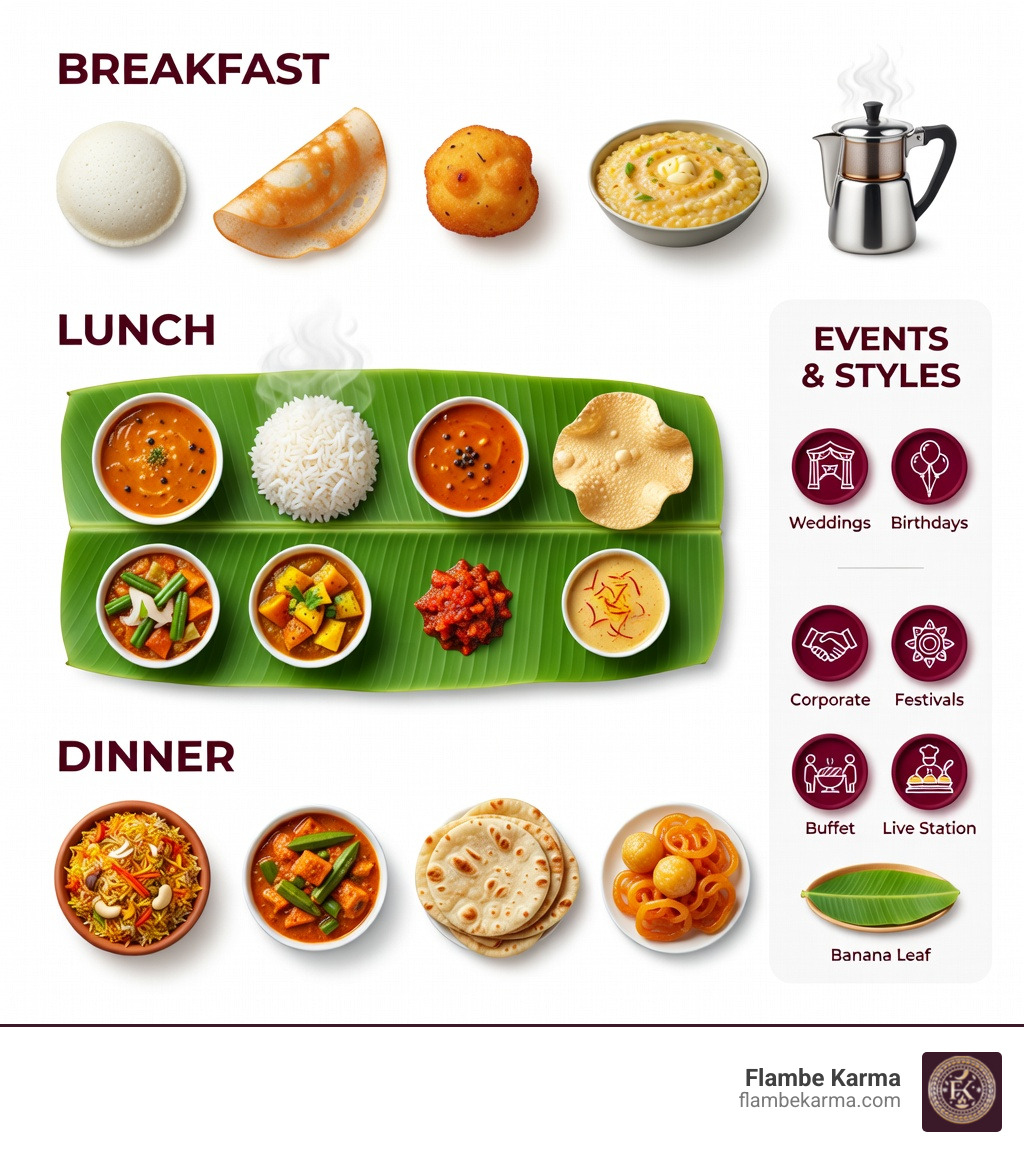
For those who want a bit of everything, the “Thali platter” is a fantastic fusion option. Traditionally a round platter with various small bowls, a fusion Thali might include a mini-tandoori taco alongside a traditional dal. It’s a symphony of spices and scents for your palate.
To give you an idea of how these worlds collide, look at this comparison:
| Traditional Element | Fusion Twist | Why It Works |
|---|---|---|
| Paneer Tikka | Chili Paneer Skewers | Combines Indian cheese with Indo-Chinese zing. |
| Traditional Burger | Crispy Buffalo Chicken Burger | Uses Indian spices in the breading for a “bold” crunch. |
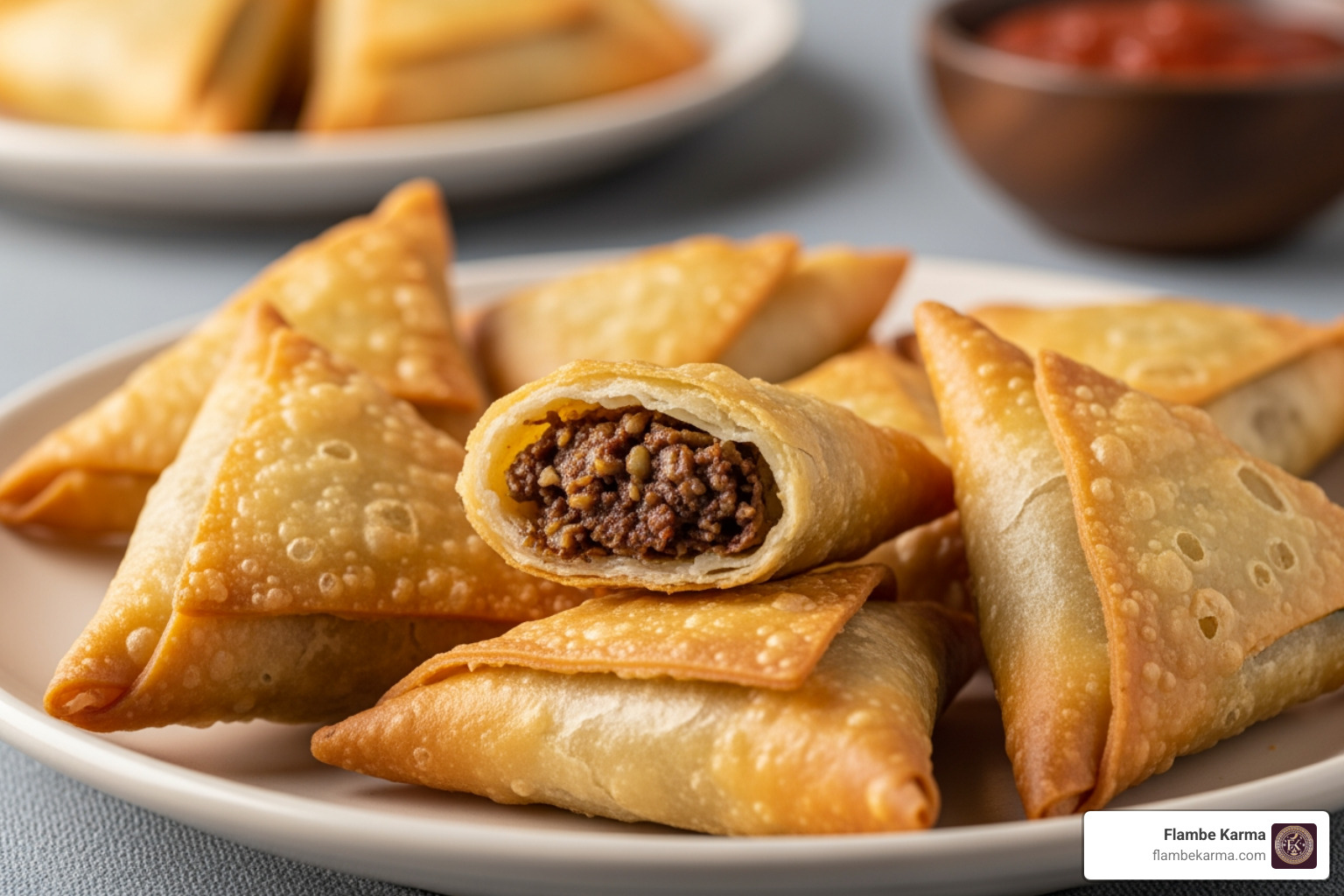
| Classic Samosa | Sweet Potato & Kale Samosa | Modernizes the filling with superfoods and local produce. |
| Pani Puri | Smoked Salmon Puchkas | Swaps traditional potato for a sophisticated, smoky seafood filling. |
If you’re curious about what we offer in our neck of the woods, you can explore our Menu Indian Food Buffalo Grove IL to see how we balance these flavors.
Innovative Appetizers and Entrees in Restaurant Indian Fusion
The appetizers (or “Yums” as some might call them) are where the chef’s creativity truly shines. In a top-tier restaurant indian fusion establishment, you might encounter items that sound like they belong in different cookbooks but taste like they were made for each other.
Take the Crispy Buffalo Burger with an Indian twist. By incorporating a blend of toasted spices into the chicken or veggie patty, the burger takes on a depth that a standard fast-food joint could never replicate. Or consider Seitan Curry and BBQ Soy Tenders—perfect examples of how fusion caters to the modern plant-based diner by using traditional curry bases with “meaty” meat alternatives.
These innovations haven’t gone unnoticed by the critics. Mention of such creative pairings has appeared in The Washington Post 2019 Fall Dining Guide, highlighting how the industry is shifting toward these “bold and memorable” flavor profiles.
Fusion Desserts and Craft Cocktails
Don’t you dare skip dessert! Fusion desserts are often a nostalgic trip with a modern upgrade. Imagine Malpua Pancakes—a traditional Indian sweet—topped with a fennel maple syrup or a rich jaggery custard. Jaggery, an unrefined sugar common in India, has a deep, molasses-like flavor that pairs beautifully with Western dessert formats like puddings or tarts.
The bar program is equally important. A great restaurant indian fusion bar doesn’t just serve standard drinks; it crafts experiences. We love seeing mocktails named after cultural icons—like a “Draupadi” mocktail—or cocktails that use Rose Lassi as a base.
- Chai-infused spirits: Bringing the warmth of masala chai to a sophisticated martini.
- Regional Spirits: Incorporating Indian gin or whiskey with local Illinois bitters.
- Fresh Lime Soda: A classic Indian refresher that cleanses the palate between spicy courses.
Beyond the Plate: Ambiance and Sustainability
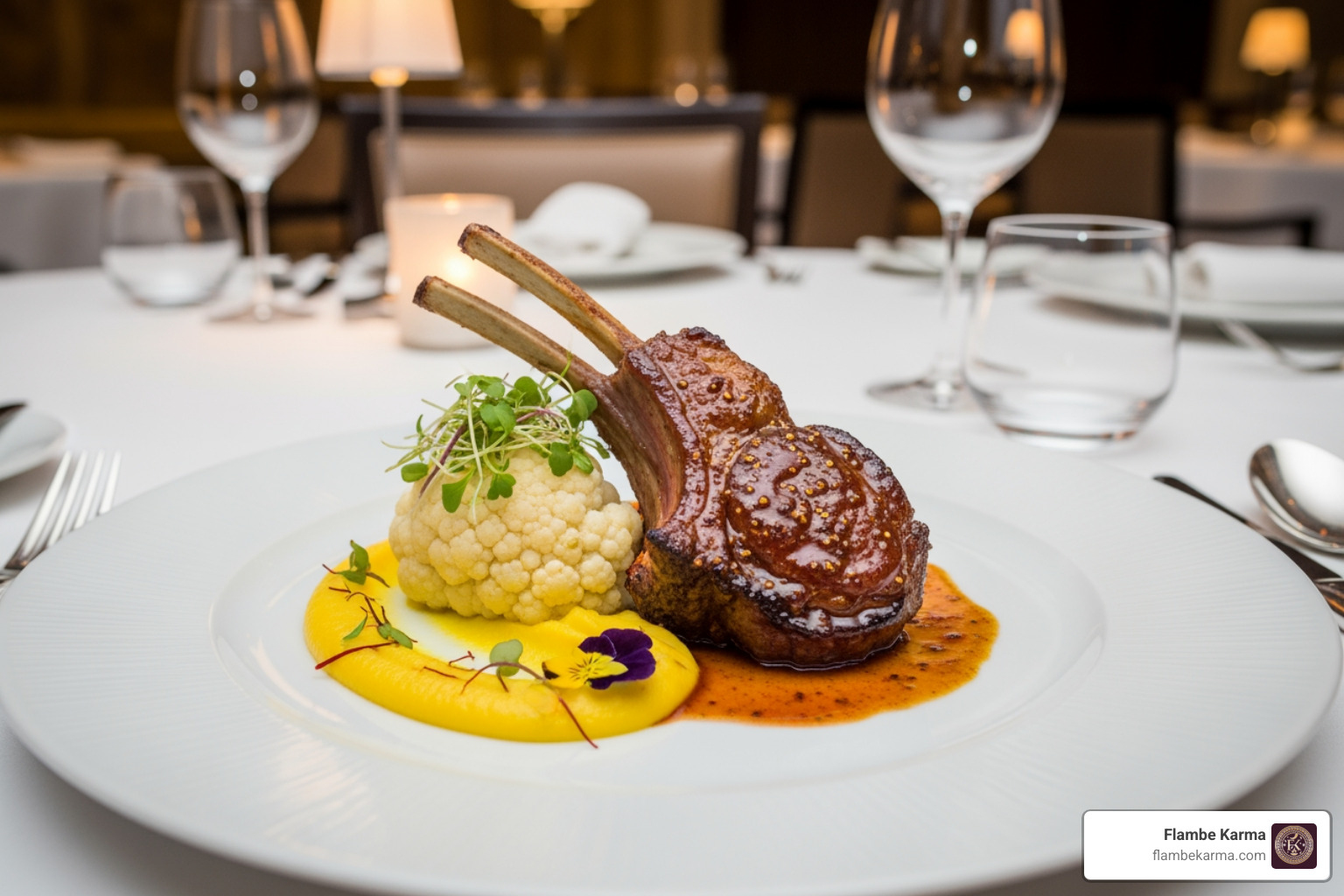
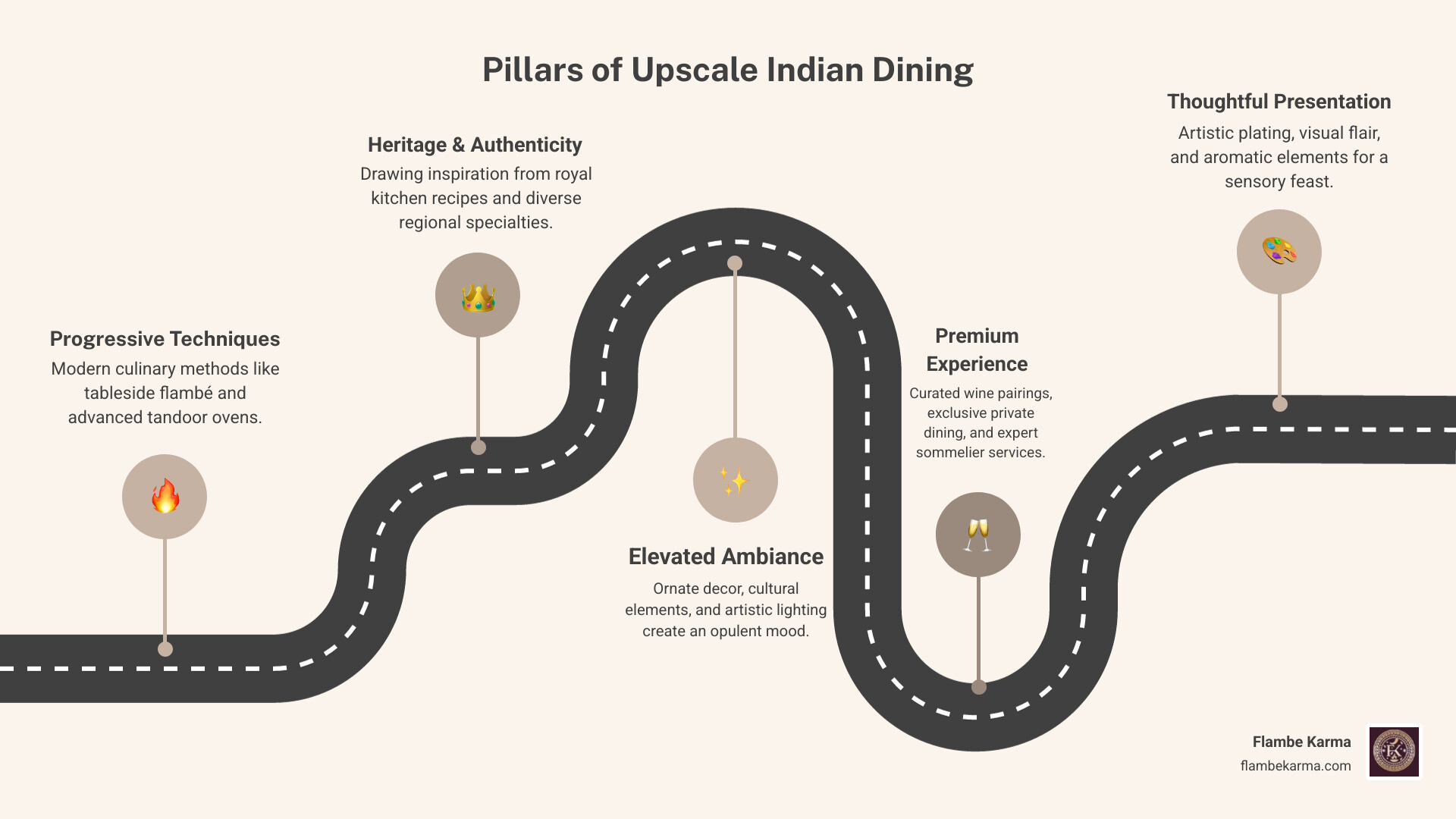
A meal is only as good as the room you eat it in. At Flambe Karma, we believe in A Dining Experience That Engages All the Senses. This means the decor needs to be as “fusion” as the food. Think modern lounges with artistic Indian accents, temperature-controlled wine cellars that house both local vintages and international favorites, and table settings that feel like works of art.
Sustainable Practices in Modern Dining
We also believe that a modern restaurant must be a responsible one. Sustainability isn’t just a buzzword; it’s a way of life. Some of the best practices we’ve seen (and implement) in the fusion world include:
- Farm-to-Table Integration: Sourcing from local farms ensures that the carbon footprint of your dinner is as small as possible.
- Organic Eggs: Using 100% organic, free-range eggs for all our batters and breakfasts.
- Food Waste Recycling: We’ve seen brilliant models where food waste is collected to feed livestock at local farms. It’s a beautiful cycle—the birds help aerate and fertilize the soil, control pests naturally, and in return, they get to enjoy some of the best leftovers in town! (Yes, birds love Indian food too!)
Creating a Unique Dining Atmosphere
The ambiance of a restaurant indian fusion spot should cater to the “Night Out on the Town” vibe. Whether you are looking for a romantic corner for a date or a vibrant space for a family gathering, the atmosphere is key.
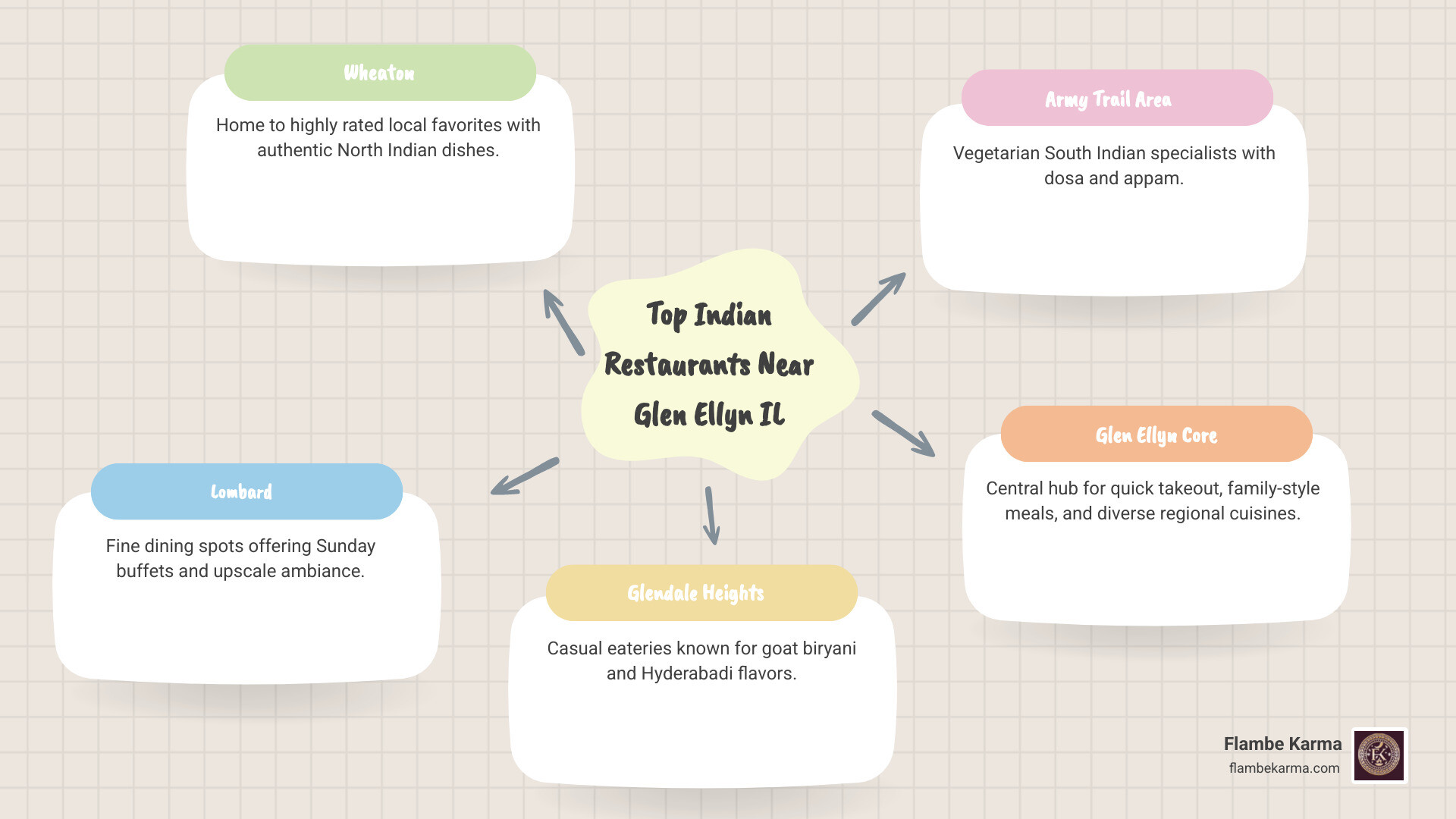
Some high-end fusion spots practice “restricted entrance policies” for certain hours to ensure a quiet, sophisticated dining environment, while others lean into a “neighborhood diner” feel where everyone is welcome. In Buffalo Grove and Glen Ellyn, we aim for a “Fine Dining Aesthetic” that remains warm and welcoming. We want our guests to feel like they are entering a “magical space” where every detail, down to the silverware, has been thoughtfully crafted.
Practical Tips for Your Visit to a Restaurant Indian Fusion
Ready to book a table? Here are some essential tips to make the most of your restaurant indian fusion journey:
- Book Ahead: Fusion spots are popular! Use reservation platforms like Resy or our website to snag a table, especially on weekends.
- Check the Timings: Many fusion restaurants have distinct menus for lunch and dinner. Lunch (often 11:30 am – 3:30 pm) might feature lighter wraps and sandwiches, while dinner (starting at 3:00 pm or 5:00 pm) offers the full “gastronomic journey.”
- Try the Tasting Menu: If the restaurant offers a “Tasting Menu” (sometimes called a ROOP menu, meaning “beauty”), go for it! It’s usually an 8-course journey curated by the chef to show off the very best fusion techniques.
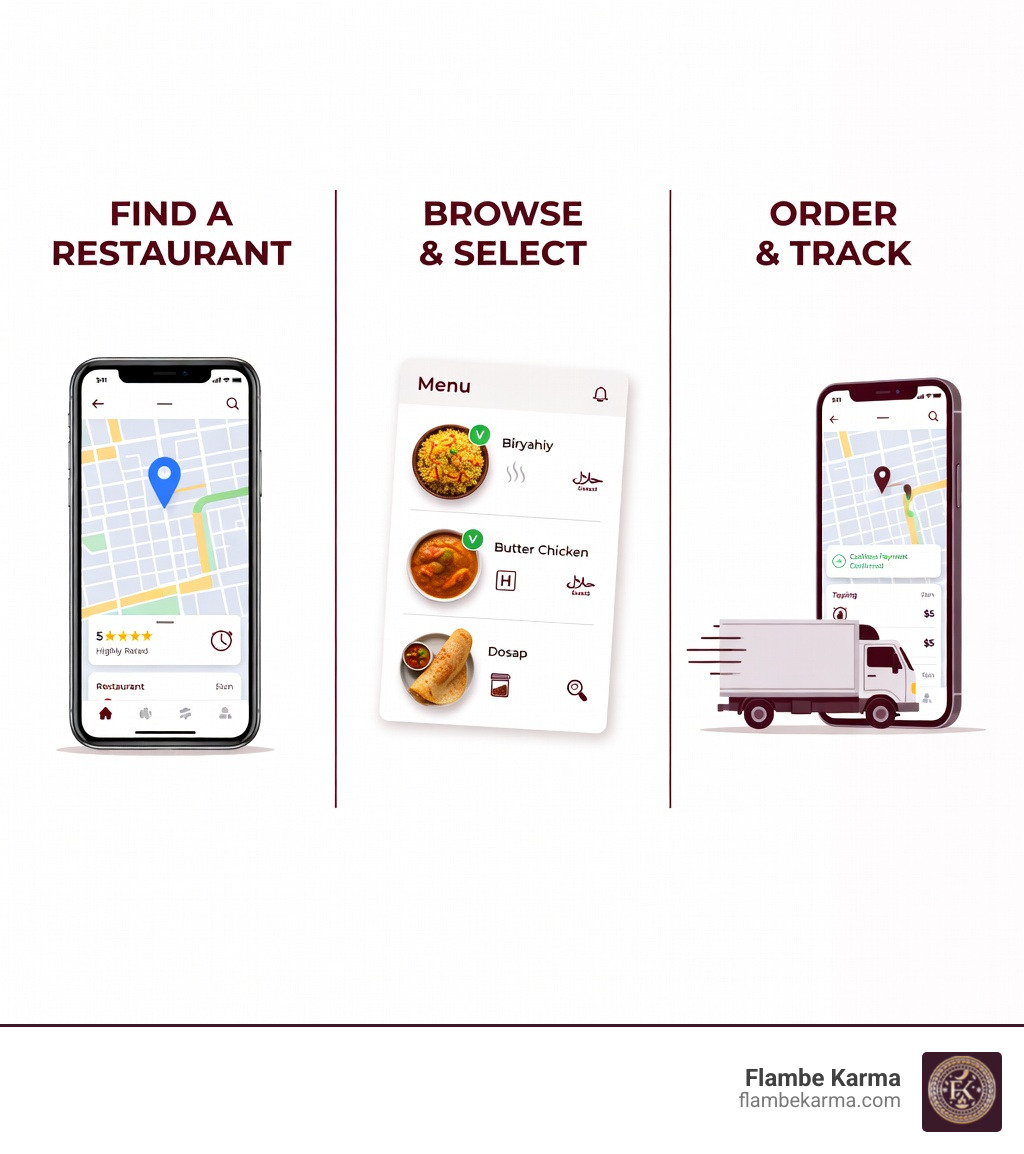
- Online Ordering: If you’d rather stay in your pajamas, many of us offer DoorDash delivery or online ordering for easy pickup. We make sure our packaging preserves the “crispness” and quality of the food so it tastes just as good at your kitchen table.
Navigating Dietary Preferences and Service Options
One of the greatest strengths of Indian cuisine is how naturally it accommodates different diets. A good restaurant indian fusion spot will have:
- Vegetarian & Vegan: From Chili Paneer to BBQ Soy Tenders, the options are endless.
- Halal & Gluten-Free: Many traditional Indian gravies are naturally gluten-free (just watch out for the naan!), and many spots offer Halal-certified meats.
- Allergen Awareness: Always let your server know about allergies. Fusion cooking involves many layers of spices and ingredients, so clear communication is key.
Frequently Asked Questions about Indian Fusion Dining
What makes a restaurant “Indian Fusion”?
A restaurant is considered “Indian Fusion” when it combines traditional Indian spices and cooking methods (like Tandoori or Tawa) with ingredients or styles from other cultures (like American burgers, Chinese stir-fry, or French flambé). It’s all about the “twist”!
Are fusion restaurants suitable for strict dietary needs like Halal or Vegan?
Absolutely. Because Indian cuisine has a long history of vegetarianism, fusion restaurants are usually very “dietary-friendly.” Most menus clearly label vegan, vegetarian, and gluten-free options. Many also source Halal meats to cater to the community.
How do I find award-winning fusion spots near me?
Look for restaurants with mentions in dining guides (like the Washington Post or Eater) or those with high ratings on OpenTable and Google. If you are in the Buffalo Grove or Glen Ellyn area, we’d love to show you what we do!
Conclusion
The world of restaurant indian fusion is a celebration of what happens when we break down culinary walls. It’s about flavor harmony, community connection, and the sheer joy of trying something new. Whether it’s the drama of a flambé skewer or the comfort of a spicy fusion wrap, these restaurants offer a window into a more creative, delicious world.
At Flambe Karma, we are proud to be part of this movement in Illinois. We invite you to join us, share some small plates, and discover your new favorite “twist” on tradition.
Experience the best restaurant indian fusion at Flambe Karma