
Why Fun Restaurant Experiences Are Changing the Way We Dine
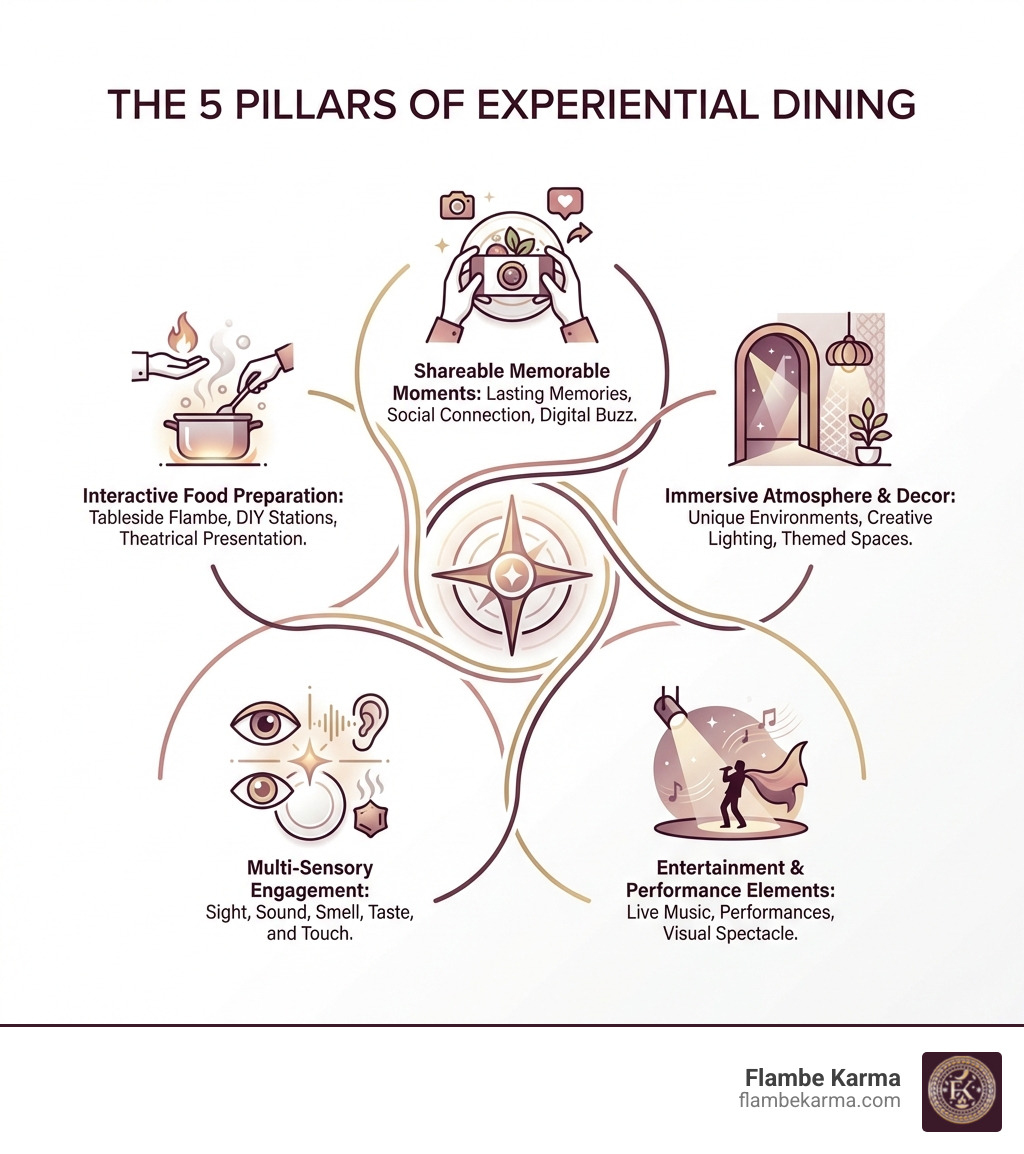
Fun restaurant experiences have become more than just a trend—they’re what diners now expect when they’re looking for a memorable night out. Here’s what defines these experiences:
- Interactive elements like tableside flambe, DIY hot pot stations, or theatrical food presentations
- Immersive atmospheres with unique decor, creative lighting, and themed environments
- Entertainment integration including live music, performances, or visual spectacle
- Sensory engagement that goes beyond taste to include sound, sight, and even touch
- Shareable moments designed to create lasting memories and social media buzz
The restaurant industry has shifted dramatically. According to industry data, 80 percent of people eat with their eyes first, and the traditional white tablecloth experience alone no longer satisfies many diners. As one food writer noted, “What makes dinner fun is highly subjective. But somewhere with good energy and excellent food is usually what we’re looking for.”
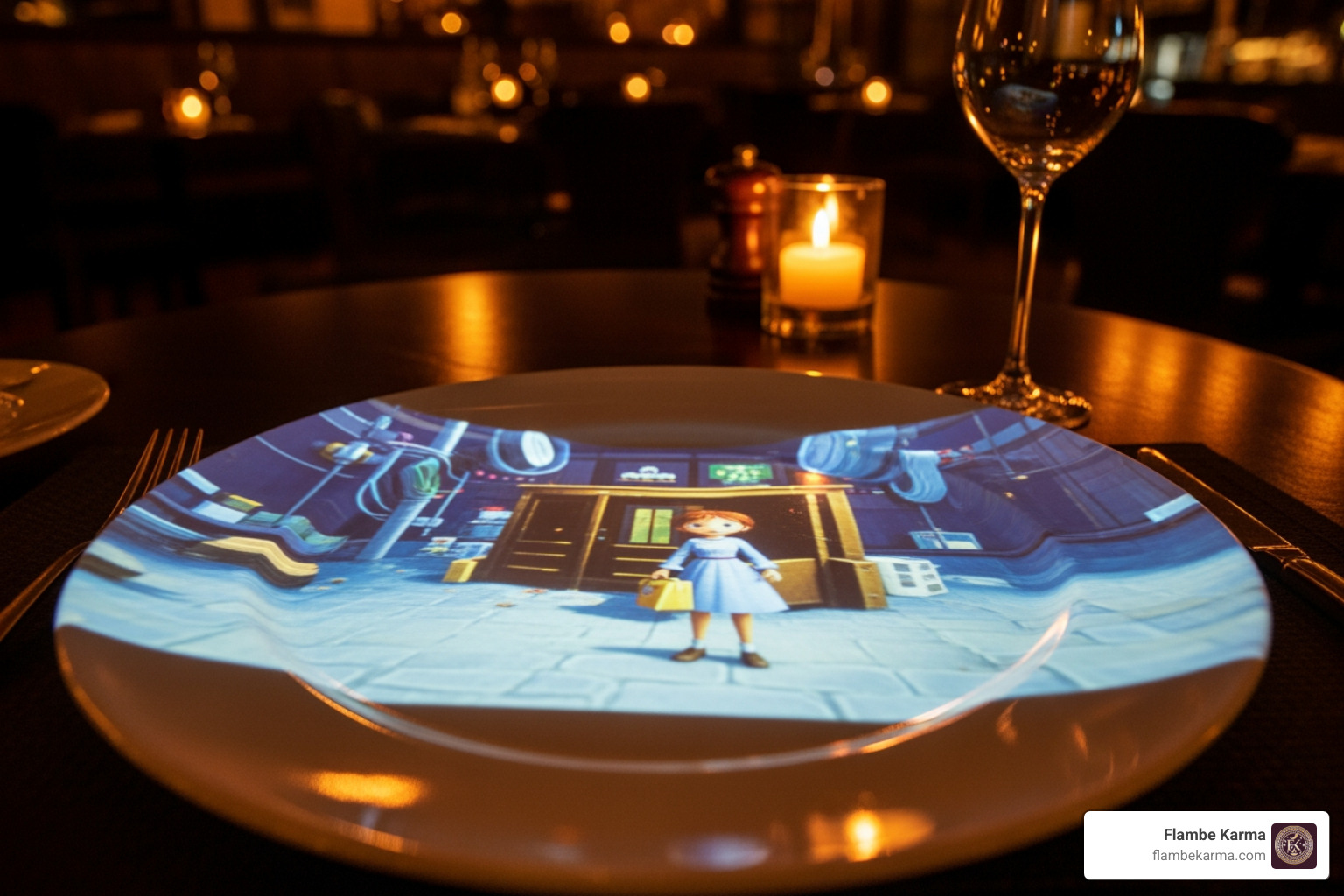
Today’s most exciting restaurants understand that dining is theater. From 3D projection mapping that transforms your dinner plate into an animated canvas to rooftop venues with live DJs, restaurants are creating multi-sensory adventures. These aren’t just meals—they’re experiences worth planning a trip around.
The rise of experiential dining reflects a deeper truth: people aren’t just hungry for food. They’re seeking connection, novelty, and moments that break up the routine of everyday life. Whether it’s a Japanese omakase counter with only six seats, a Mexican restaurant with cliff divers and neon stucco, or a Korean spot where you grill your own meat at the table, these restaurants deliver memories alongside their menus.
I’m Patrycja Szkutnik, Creative Director at Flambè Karma, where we’ve spent years perfecting the art of creating fun restaurant experiences that blend dramatic flambe techniques with neat ambiance. My background in design and European dining has taught me that truly memorable dining happens when culinary passion meets thoughtful, beautiful presentation.
What Defines Modern Fun Restaurant Experiences?
In our quest for memorable outings, we’ve moved beyond merely satisfying our hunger. Today, a truly “fun” restaurant experience is a symphony of elements that engage all our senses and leave us with a lasting impression. It’s about an atmosphere that buzzes with life, where every detail, from the lighting to the background music, contributes to a cohesive and exciting narrative.
What defines a modern fun restaurant experience is its ability to be reliably enjoyable without being overly fussy. It doesn’t necessarily have to be the most Michelin-starred establishment, but it needs to deliver on its promise of a good time. This often involves a unique blend of:
- Atmosphere that captivates: From the moment we step inside, the ambiance should transport us. This could be through vibrant colors, unique architectural features, or even a subtle scent that complements the cuisine.
- Sensory engagement beyond taste: While delicious food is paramount, the experience is heightened when our other senses are stimulated. This might be through sizzling sounds from an open kitchen, visually stunning presentations, or even a tactile element like eating with our hands.
- Entertainment that delights: This isn’t just about a band in the corner (though that can be great!). It can be subtle, like servers who engage with theatrical flair, or overt, such as live performances, interactive games, or even dining in a completely dark room to heighten taste and smell.
- A non-fussy, reliably enjoyable vibe: We want to relax and have a good time, not feel intimidated. A fun restaurant strikes a balance between excitement and comfort, making us feel welcome to laugh, connect, and savor the moment.
At Flambe Karma, we understand this deeply. Our philosophy is rooted in creating A Dining Experience That Engages All The Senses. We believe that when the aroma of spices fills the air, the sizzle of our Flambe Skewers dances in your ears, and the vibrant colors of our dishes delight your eyes, you’re not just eating—you’re experiencing.
| Feature | Traditional Fine Dining | Experiential Dining |
|---|---|---|
| Focus | Culinary excellence, formality | Holistic experience, novelty, entertainment |
| Atmosphere | Quiet, neat, subdued | Lively, themed, interactive, vibrant |
| Service Style | Discreet, highly professional | Engaging, theatrical, personalized |
| Engagement | Passive consumption | Active participation, multi-sensory |
| Memory Factor | Taste, prestige | Overall feeling, unique moments, shareability |
| Dress Code | Often formal | Varied, often casual to smart casual |
| Innovation | Subtle, ingredient-focused | Bold, concept-driven, technological |
Interactive Elements and DIY Fun Restaurant Experiences
One of the most compelling aspects of modern fun restaurant experiences is the incorporation of interactive and “do-it-yourself” (DIY) elements. These features transform dining from a passive act into an engaging activity, making us part of the culinary journey.
Think about the thrill of a tableside flambe, where flames dance and caramelize ingredients right before our eyes. This isn’t just a cooking technique; it’s a spectacle, a moment of culinary drama that adds excitement and a touch of magic to our meal. At Flambe Karma, our Signature Dishes That Bring Flair to Indian Cuisine often feature this very element, turning a delicious meal into an unforgettable show.
Beyond flambe, other interactive elements include:
- DIY preparation at the table: Experiences like Korean BBQ or hot pot, where we cook our own meats and vegetables, foster conversation and a sense of shared adventure. While these specific concepts might be more prevalent in other cities, the underlying principle of diner participation is universal. Imagine customizing your perfect noodle soup, selecting every ingredient and spice level, much like the customizable Malatang experiences found elsewhere.
- Theatrical drink and sauce presentations: Some restaurants play with presentation, serving cocktails with liquid nitrogen for a smoky effect, or offering sauces in test tubes and syringes, turning a simple condiment into a playful science experiment. These creative touches add an element of surprise and delight.
- Communal cooking: Sharing a grill or a hot pot with friends and family creates a convivial atmosphere, making the meal itself a collective activity rather than just individual plates.
These interactive elements don’t just entertain; they create personal connections to the food and the company, making the entire occasion more memorable and enjoyable.
Whimsical Decor and Themed Fun Restaurant Experiences
Beyond the plate, the visual landscape of a restaurant plays a colossal role in crafting a fun restaurant experience. We’re seeing a rise in “maximalist” designs and uniquely themed environments that aim to transport us to another world. This isn’t just about pretty pictures; it’s about an immersive theatrical setting.
Consider the trend of “trash-glam” kitsch, where eclectic and bold decor creates a quirky, over-the-top ambiance that’s both visually stimulating and highly “Instagrammable.” It’s about embracing the unexpected, using vibrant colors, unique art pieces, and unconventional furnishings to create a feast for the eyes.
Restaurants are also getting creative with their physical spaces:
- Secret locations and immersive entrances: Imagine entering a restaurant through a hidden door, a plant-filled freight elevator, or a seemingly ordinary storefront that opens into a fantastical dining room. These elements build anticipation and a sense of adventure, making the journey to the table part of the fun.
- Dynamic environments: While we might not have a restaurant that literally rotates in Buffalo Grove or Glen Ellyn, the concept of a dynamic environment can be achieved through clever lighting, moving art installations, or even digital projections that change the mood and scenery throughout the meal.
- Immersive storytelling: Some establishments use their decor to tell a story, whether it’s a retro throwback to a specific decade, a jungle-themed hideaway, or an artistic space designed to evoke a particular cultural journey.
- Creative lighting and 3D projection mapping: Advanced technologies like 3D projection mapping can transform a simple table or wall into a canvas for animated stories. While experiences like “Le Petit Chef” might be found in larger cities, the principle of using light and projection to create an illusion of depth and movement is a powerful tool for visual engagement.
At Flambe Karma, our artistic ambiance is carefully curated to offer a visually rich backdrop to our Indian and fusion cuisine. We believe that beautiful surroundings improve the dining journey, allowing our guests in Buffalo Grove and Glen Ellyn to escape the everyday and immerse themselves in a world of vibrant colors and neat design, complementing the flair of our dishes.
The Evolution of Experiential Dining
The concept of “fun dining” isn’t entirely new; dinner has always held a theatrical element. From the grand seafood towers of yesteryear to the singing waiters of classic Italian-American establishments, we’ve always appreciated a meal that comes with a show. However, what we define as a fun restaurant experience has evolved dramatically.
Historically, fine dining often meant starched white tablecloths, hushed tones, and a focus almost exclusively on culinary perfection. The ambiance was about understated elegance, and entertainment was minimal, allowing the food to be the sole star. While this style still holds its place, it no longer “cuts it” for a growing segment of diners seeking something more dynamic and engaging.
The shift towards experiential dining marks a conscious move away from this passive consumption. People are looking for “memorable, unique meals” that offer something “extra.” This evolution is characterized by:
- The rise of dinner-and-a-show: Modern restaurants are increasingly blending dining with live performances, much like the cabaret-style layouts seen in venues that feature acrobats, dancers, and musicians. This integration means the entertainment is not just background noise but an integral part of the meal.
- Sensory experiments: Concepts like “Dining in the Dark,” where guests are blindfolded to heighten their senses of taste and smell, push the boundaries of how we interact with food. Similarly, “Dinner in the Sky,” where diners are suspended high above the ground, adds an element of adventure and a breathtaking view. While these extreme examples might be global phenomena, they illustrate a broader trend towards sensory exploration in dining.
- Technological integration: Perhaps one of the most exciting developments is the use of technology to create immersive experiences. 3D projection mapping, for instance, can turn an ordinary dinner plate into an animated screen, telling stories or illustrating the journey of ingredients. This “culinary theater” transforms eating into an interactive narrative, captivating diners with visual artistry alongside their meal.
This evolution is driven by our innate desire for novelty and connection. We want stories to tell, photos to share, and moments that feel special and out of the ordinary. The modern fun restaurant experience is a testament to this, proving that innovation in dining is as much about the spectacle and the environment as it is about the ingredients on the plate.
Creating Atmosphere Beyond the Food
Beyond the delicious dishes and the captivating decor, a truly fun restaurant experience is often defined by its atmosphere—a vibrant, almost palpable energy that permeates the space. This is where sound, lighting, and the human element come together to create a memorable buzz.
Restaurants are masters at curating their ambiance through:
- Live Entertainment: From acoustic sets during dinner to lively DJs spinning tracks late into the night, live entertainment transforms a meal into an event. It sets a mood, encourages conversation, and can even inspire impromptu dancing. Imagine a place where the music is so good, it becomes part of your meal, much like the Caribbean getaway vibes created by a nightly DJ in some lively Brooklyn spots.
- Curated Soundtracks: Even without live performers, the right music can make all the difference. A thoughtfully chosen playlist can transport us, evoke a certain era, or simply keep the energy high. It contributes to the overall “vibe,” making the dining room feel alive.
- Lighting Design: Lighting is a powerful tool for mood-setting. Creative lighting can highlight architectural features, create intimate nooks, or bathe the entire room in a vibrant glow. It can be playful, dramatic, or cozy, all contributing to the desired atmosphere.
- Social Buzz: Sometimes, the fun comes from the sheer energy of other diners. A restaurant that encourages interaction, perhaps through communal seating or shared platters, can quickly become a hub of lively conversation and laughter. High-energy service, where staff members are engaging and enthusiastic, also contributes significantly to this social buzz.
- Nightlife Fusion: Many establishments are blurring the lines between restaurant and bar, offering comprehensive experiences that transition from dinner to a vibrant nightlife scene. This might include dedicated bar areas with signature cocktails, happy hour deals, and even bottle service, making it a complete evening destination.
- Themed Brunch and “Instagrammable” Moments: Brunch has evolved into a full-blown social event, often featuring bottomless mimosas, themed menus, and decor designed for perfect photo opportunities. These “Instagrammable” moments are key to today’s shareable dining culture, allowing us to capture and relive the fun.
At Flambe Karma, we understand that atmosphere is everything. Our artistic ambiance, combined with our commitment to excellent service, ensures that our guests in Buffalo Grove and Glen Ellyn experience more than just a meal. We aim for a vibrant energy that makes every visit a celebration, a place where the culinary artistry on your plate is matched by the engaging environment around you.
Navigating the Challenges of Fun Dining
While the pursuit of fun restaurant experiences is exciting, it’s important to acknowledge that these unique concepts can sometimes come with their own set of challenges. As diners, being aware of these potential drawbacks can help manage expectations and ensure a more enjoyable outing.
Here are some common problems associated with highly experiential or “fun” restaurants:
- Noise Levels: Often, a lively, energetic atmosphere can translate into high noise levels. What’s fun for some can be overwhelming for others, making intimate conversations difficult. Restaurants with open kitchens or close-set tables can exacerbate this.
- Limited Seating and Reservation Problems: Many highly sought-after “fun” spots prioritize exclusivity or a specific ambiance, leading to limited seating. This can result in long wait times, especially for no-reservation policies, or extremely difficult-to-snag reservations that require planning weeks or even months in advance.
- “The Same Kind of Stylish” Fatigue: In an effort to be trendy, some restaurants can fall into a trap of looking “the same kind of stylish.” This can lead to a lack of genuine uniqueness, making the experience feel less special than intended.
- Ventilation Issues: Concepts involving open grills, tableside cooking, or even just a very active kitchen can sometimes lead to less-than-ideal ventilation, resulting in lingering food smells that might not be pleasant for all diners.
- Heavy Menus or Limited Choices: While some fun restaurants offer expansive and creative menus, others might lean into a very specific, sometimes heavy, cuisine or offer a limited selection. This can be a drawback if you’re dining with varied preferences or dietary restrictions. Similarly, some themed restaurants might have a “fun” menu but lack depth beyond a few signature items.
- Choice Overload: Paradoxically, some interactive or customizable experiences, like a build-your-own hot pot with dozens of options, can overwhelm diners who prefer a simpler decision-making process.
- Price-to-Portion Ratios: The “experience” often comes with a premium. Diners might find that portions are smaller relative to the price, especially in high-concept or tasting menu environments. It’s a trade-off for the unique ambiance and entertainment provided.
- Comfort and Practicality: Some design choices, while visually striking, might not prioritize comfort. Hard bench seats, tight spaces between tables, or difficult bill-splitting policies can detract from the overall enjoyment.
Understanding these potential challenges allows us to make informed choices. For instance, if a quiet conversation is a priority, a high-energy, maximalist spot might not be the best fit. At Flambe Karma, we strive to balance a vibrant atmosphere with comfortable seating and attentive service, ensuring that our guests in Buffalo Grove and Glen Ellyn can fully enjoy their meal without unnecessary distractions.
Frequently Asked Questions About Fun Dining
What are the potential drawbacks of a “fun” restaurant?
While we love a good fun restaurant experience, it’s true that they can come with a few trade-offs. The most common drawbacks we’ve observed include:
- High Noise Levels: The lively atmosphere that makes a place “fun” can often mean it’s quite loud, making conversation difficult.
- Long Wait Times: Popular, unique spots, especially those that don’t take reservations, can have considerable queues.
- Limited or Niche Menus: Some restaurants focus so heavily on a theme or specific interactive element that their menu might be less diverse, or feature heavier dishes that aren’t for everyone.
- Sensory Overload: For some, the combination of vibrant decor, loud music, and interactive elements can be overwhelming rather than enjoyable.
- Higher Price Points: The “experience” factor often adds to the cost, so you might pay more for smaller portions compared to traditional dining.
We always recommend checking recent reviews or calling ahead to gauge the atmosphere and menu options if these are concerns for you.
Which types of cuisine lend themselves best to a fun atmosphere?
Certain cuisines naturally lend themselves to a fun restaurant experience due to their interactive nature, social eating styles, or vibrant flavors and presentations. We’ve found that:
- Japanese BBQ and Korean BBQ: These are inherently interactive, with diners grilling their own food at the table, creating a communal and engaging meal.
- Spanish Tapas and Mexican Street Food: These cuisines are often about sharing small plates, bold flavors, and a lively, social atmosphere. Think of the excitement of passing dishes around and trying a little bit of everything.
- Indian Fusion and Middle Eastern Mezze: The rich spices, vibrant colors, and often shareable nature of dishes like our own Indian and fusion cuisine at Flambe Karma, or Middle Eastern mezze, create a sensory feast that’s perfect for a lively setting.
- Peruvian and Modern Greek: These often feature exciting ceviches, unique flavor combinations, and a focus on fresh ingredients that can be presented in dynamic and visually appealing ways, adding to the fun.
These cuisines often involve elements of sharing, interactive preparation, or bold, celebratory flavors that perfectly complement a fun and energetic dining environment.
How can I identify a restaurant that offers a truly memorable experience?
Identifying a restaurant that promises a truly memorable and fun restaurant experience requires a bit of detective work, but it’s well worth the effort! Here are our top tips:
- Check for Social Media Buzz: Look for restaurants with a strong presence on platforms like Instagram and TikTok. Are people posting photos of unique dishes, vibrant interiors, or exciting performances? This is often a good indicator of “Instagrammable” moments and a lively vibe.
- Seek Out Unique Service Gimmicks: Does the restaurant offer tableside preparation, a DIY element, or a unique way of serving drinks or dishes? These “durable gimmicks” often translate into an engaging and fun experience.
- Look for “Hidden Gem” Status: Sometimes the most memorable places are the ones locals rave about as their secret spots. These might not always be the flashiest, but they often offer a genuine, unique charm and a strong sense of community.
- Explore Interactive Menu Elements: Does the menu mention sharing platters, build-your-own options, or dishes designed to be eaten in a particular, engaging way? These are clues that the restaurant encourages interaction and fun.
- Read Beyond the Food Reviews: While food quality is crucial, pay attention to comments about the atmosphere, service, decor, and overall “vibe.” Look for keywords like “vibrant,” “lively,” “unique,” “energetic,” “theatrical,” or “immersive.”
- Consider the Restaurant’s Story: Many of the best experiential restaurants have a compelling story behind their concept, whether it’s the chef’s vision, a cultural inspiration, or a commitment to a particular theme. This depth often translates into a richer experience.
By looking for these signs, you can increase your chances of finding a restaurant that offers more than just a meal—it offers an adventure.
Conclusion
In an age where every moment is a potential memory, fun restaurant experiences have become the gold standard for dining out. We’ve seen how the culinary world is changing, moving beyond the plate to accept immersive atmospheres, interactive elements, and captivating entertainment. From the sizzle of tableside cooking to the delight of whimsical decor, these establishments are crafting sensory journeys that leave us with stories to tell and moments to cherish.
While navigating potential challenges like noise levels or limited seating is part of the adventure, the rewards of a truly memorable meal are undeniable. Whether it’s the communal joy of a BBQ experience or the artistic flair of a carefully designed space, the best restaurants understand that dining is theater, and we are all eager participants.
At Flambe Karma, we are proud to contribute to this exciting evolution of dining in Buffalo Grove and Glen Ellyn. Our Indian and fusion cuisine, combined with our artistic ambiance and signature flambe techniques, is designed to offer you an unparalleled fun restaurant experience. We invite you to join us and find how every meal can indeed be an unforgettable journey for all your senses.
Ready to start on your next culinary adventure? Visit us and let us create a memorable experience for you.