Why Indian Wedding Catering Is the Heart of Your Celebration
Indian wedding catering is one of the most important decisions you’ll make for your reception — and one of the most exciting.
Quick answer: What makes great Indian wedding catering?
| Element | What to Look For |
|---|---|
| Menu variety | Regional dishes (Punjabi, Gujarati, South Indian), veg and non-veg options |
| Service style | Buffet, live stations, plated, or street food concepts |
| Dietary needs | Vegan, Jain, gluten-free, nut-free accommodations |
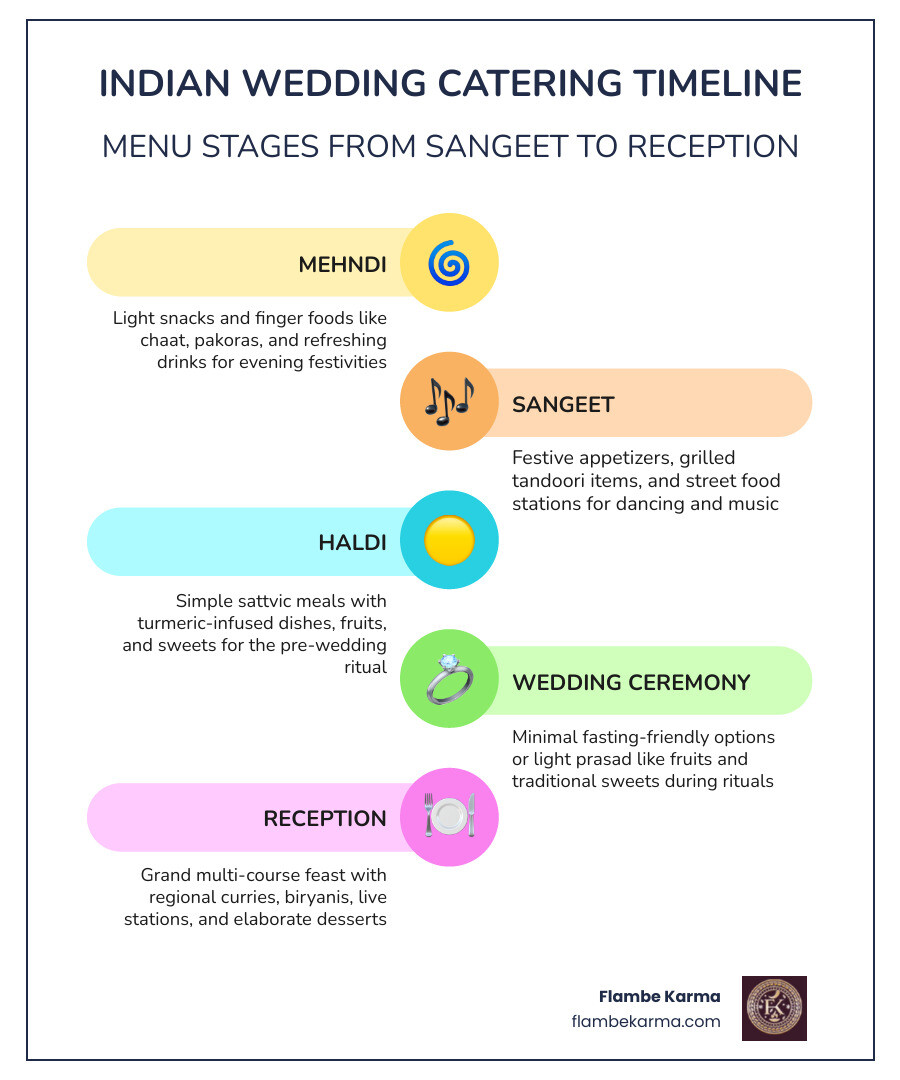
| Multi-day planning | Separate menus for Sangeet, Mehndi, and Reception |
| Budget | Per-person packages typically range from ~$15 to $50+ |
| Logistics | Venue compatibility, staffing, on-site chefs, equipment |
Food at an Indian wedding isn’t just fuel. It’s a statement. It reflects who you are, where your family comes from, and how much you care about your guests’ experience.
There’s a reason food and drink can consume up to half of a wedding budget. At an Indian wedding especially, the feast is inseparable from the celebration itself.
Multi-day Indian weddings — with events like the Sangeet, Mehndi, and Reception — each call for their own food experience. The catering doesn’t just feed guests; it structures the entire event and fills the transitions between ceremonies.
Getting it right means more than picking good dishes. It means choosing a caterer who understands the culture, the logistics, and the details that make guests talk about the food for days afterward.
Essential Elements of Indian Wedding Catering
When we talk about indian wedding catering, we are talking about a vast tapestry of flavors that changes significantly every 100 miles across the Indian subcontinent. To plan an authentic menu, you must first understand the regional specialties that define the guest experience.
Regional Specialties
- Punjabi: Known for its rich, buttery flavors. Think Dal Makhani, Paneer Tikka, and hearty Butter Chicken. This is often the “gold standard” for North Indian wedding receptions.
- Gujarati: Primarily vegetarian, focusing on a balance of sweet, salty, and spicy. Dishes like Dhokla, Shrikhand, and various Shaaks (vegetable curries) are staples.
- South Indian: Famous for its use of coconut, curry leaves, and rice-based delights. A Dosa or Idli station is a frequent favorite for morning ceremonies or Sangeet snacks.
- Uttar Pradesh: This region offers elegant, sophisticated flavors, often influenced by royal traditions. Expect aromatic kebabs and slow-cooked Awadhi-style biryanis.
Menu Customization and Cultural Authenticity
Authenticity isn’t just about the recipe; it’s about the soul of the dish. We believe that sharing food is an intimate act, a “love language” that should reflect your unique family background. Whether you want a strictly traditional sit-down meal or a modern fusion spread, customization is key. This includes ensuring that the spices are balanced to suit your guest list—ranging from those who love a fiery kick to those who prefer a milder profile.
Comparing Service Concepts
Choosing how the food is served is just as important as what is on the plate. Each style offers a different “vibe” for your reception.
| Service Concept | Best For… | Guest Experience |
|---|---|---|
| Buffet | Large guest counts | High variety; guests can choose their own portions. |
| Plated | Formal Receptions | Elevated, elegant feel; ensures everyone is served at once. |
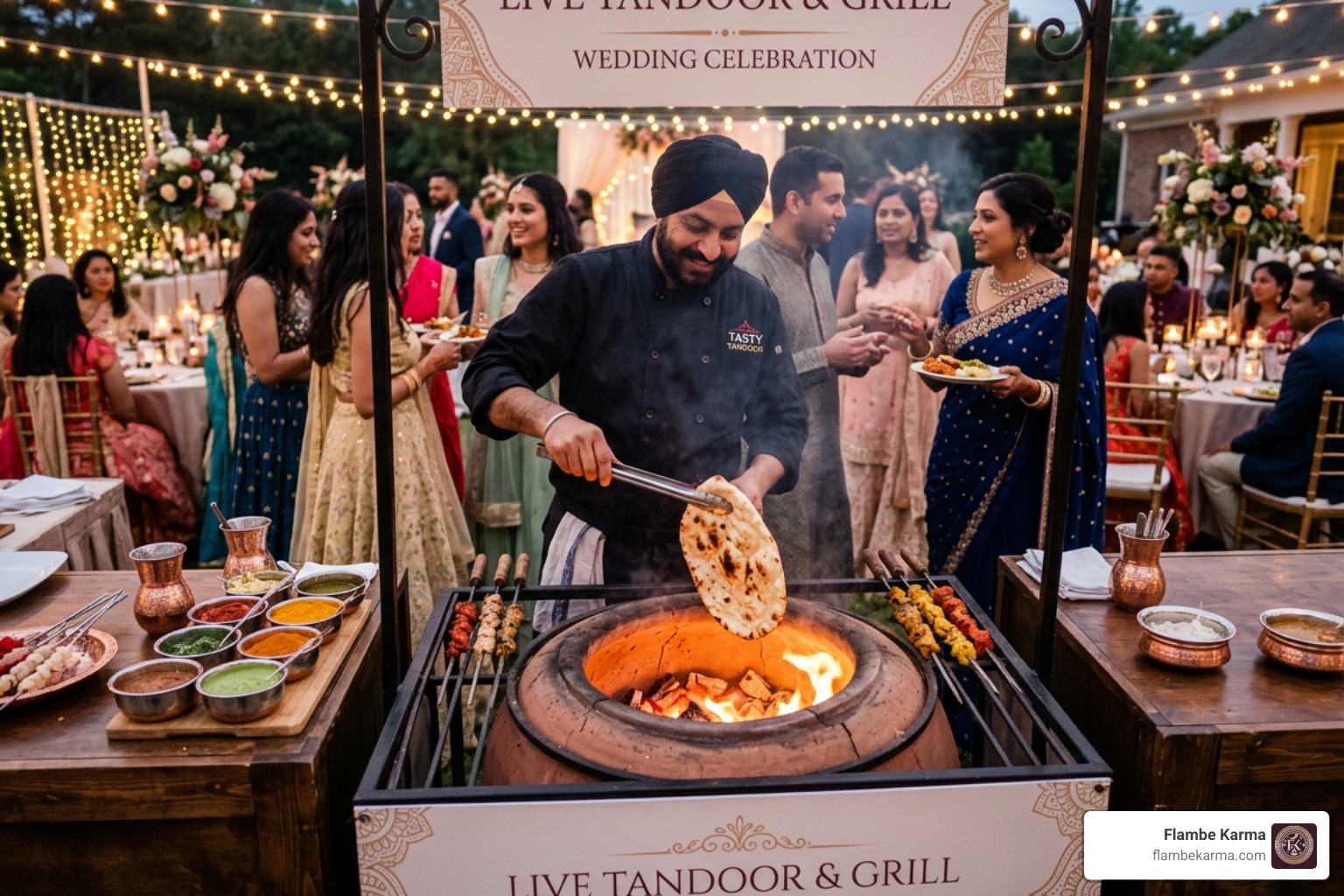
| Live Stations | Sangeet & Cocktails | Interactive and visual; food is prepared fresh in front of guests. |
| Street Food | Mehndi & Late Night | Fun, casual, and nostalgic; features “Chaat” and quick bites. |
Popular Menus and Dietary Accommodations
In modern indian wedding catering, inclusivity is no longer an afterthought—it’s a requirement. We see a growing demand for menus that cater to diverse lifestyles while maintaining that signature Indian soul.
Vegetarian and Non-Veg Specialties
While many traditional weddings remain strictly vegetarian, many couples now opt for a mix. Popular non-veg items often include Mutton Galawti Kebabs, Tandoori Salmon, or specialized chicken curries. On the vegetarian side, “Veg Delights” like Malai Kofta or Paneer Lababdar remain crowd favorites.
Meeting Dietary Restrictions
We understand that your guest list likely includes people with specific needs. A professional caterer should be able to provide:
- Vegan Options: Swapping ghee for oil and cream for coconut milk or cashew paste.
- Jain Diets: Preparing food without onions, garlic, or root vegetables, adhering to the principles of Jain vegetarianism.
- Gluten-Free & Nut-Free: Ensuring separate preparation areas to avoid cross-contamination.
- Fusion Trends: Incorporating global flavors, such as Indian-French or Mediterranean-Indian fusion, to create a “signature cuisine” that stands out.
If you are looking for expert catering in Buffalo Grove IL, it is essential to find a partner who can handle these nuances with ease and artistry.
Understanding Indian Wedding Catering Costs and Packages
Budgeting for indian wedding catering requires a clear understanding of how packages are structured. Generally, the more variety and “premium” ingredients you add (like lamb or seafood), the higher the per-person cost.
Tiered Pricing Structures
Most caterers offer tiered packages to help couples stay within budget while still providing a lavish experience:
- Bronze Packages: Often starting around $14.99–$16.99 per person for a basic vegetarian or non-veg selection (usually requiring a minimum of 20 people).
- Silver Packages: Typically range from $19.99 to $27.99, offering more appetizers and a wider variety of main courses.
- Gold Packages: The premium tier, often priced between $37.99 and $49.99+ per person. These include premium appetizers (like lamb or seafood kababs), multiple desserts, and specialized breads.
Additional Costs to Consider
It’s not just the food on the plate. You must also account for:
- Service Charges: On-site chefs often cost around $250 for a 4-hour block, while professional servers and bartenders add to the labor cost.
- Equipment Fees: Chafing dishes, buffet setups, and high-quality china or disposable cutlery.
- Outdoor Catering Minimums: Many professional teams require a minimum spend (often $1,000+) for outdoor events to cover the logistics of transporting a mobile kitchen.
- Delivery: Fees are usually based on mileage, often starting with a base rate for the first 10 miles.
Logistics and Venue Compatibility for Your Event
Planning the perfect meal is only half the battle; executing it on-site is where the magic (or the stress) happens. Logistics are the backbone of high-quality indian wedding catering.
Kitchen and Staffing Requirements
Does your venue have a full-service kitchen, or will your caterer need to bring in portable tandoors and burners? This is a crucial question. We recommend that your caterer visits the venue beforehand to coordinate with the venue manager. This ensures they have the right power outlets, space for plating, and a clear path for service.
Hygiene and Professionalism
Hygiene shouldn’t be a “perk”—it should be a standard. Look for caterers who emphasize “Assured Quality & Hygiene.” This means professional staff in uniform, proper food temperature management, and a clean, organized workspace.
Beverage Pairings and Mixology
To truly elevate the experience, consider how your drinks complement the food. Modern Indian weddings often feature:
- Expert Mixologists: Crafting cocktails with Indian botanicals like cardamom, rose, or tamarind.
- Sommeliers: Providing wine pairings that can stand up to the bold spices of a curry.
- Mocktail Bars: Creative, non-alcoholic options that are just as sophisticated as the bar menu.
Whether you are hosting at a luxury hotel or an intimate Indian Restaurant in Buffalo Grove, the flow of service and the professionalism of the staff will be remembered long after the last plate is cleared.
Frequently Asked Questions about Indian Wedding Catering
How do I choose the right indian wedding catering for a multi-day event?
Planning for a multi-day event requires a caterer with stamina and variety. For the Sangeet, focus on “street food” and live stations that allow people to eat while mingling. The Mehndi usually calls for lighter snacks and finger foods. The Reception is the time for the full, formal dinner spread. When reviewing vendors, look at their portfolio for multi-day events and read customer testimonials specifically regarding their punctuality and consistency over several days.
What are the most popular live stations in indian wedding catering?
Live stations add a “wow” factor and ensure food is served at the perfect temperature. The most popular include:
- Chaat Bazaar: Interactive stations for Pani Puri, Bhel Puri, and Papdi Chaat.
- Dosa Station: Fresh, crispy dosas made to order with various fillings.
- Tandoori Skewers: Hot kebabs and meats pulled straight from the tandoor.
- Bhatura Concept: Fluffy, hot bhaturas served with spicy chickpeas.
How can I accommodate specific dietary restrictions like Jain or Vegan?
Communication is everything. Work with a chef who understands the religious and lifestyle nuances of these diets. Ensure the caterer uses separate utensils and pans for Jain or Vegan preparations to prevent cross-contamination. Clear labeling on the buffet is also essential so guests feel confident in what they are eating.
Conclusion
At Flambe Karma, we believe that your wedding food should be as memorable as your vows. We specialize in creating immersive dining experiences that blend the rich traditions of Indian cuisine with modern, artistic flair. From our signature Flambe Skewers to our meticulously planned regional menus, we bring a “personality” to our cooking that makes every event feel unmistakably yours.
Whether you are planning a grand gala in Buffalo Grove or an intimate reception in Glen Ellyn, our team is dedicated to providing impeccable service, high hygiene standards, and flavors that your guests will rave about for years.
Ready to start planning? Plan your authentic event with Flambe Karma and let us turn your wedding vision into a delicious reality.