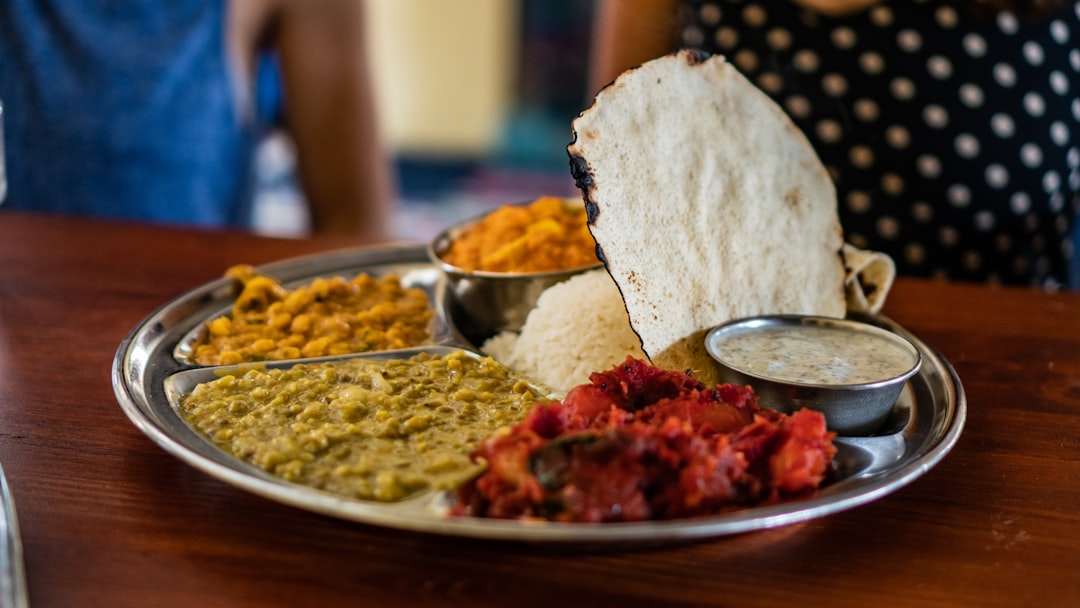
Why Indian Food Captivates Diners Worldwide
Indian food represents one of the world’s most diverse and flavorful culinary traditions, shaped by thousands of years of history, trade, and cultural exchange. From the aromatic spices that define every dish to the regional variations that make each meal unique, this cuisine offers far more than just sustenance—it delivers a complete sensory experience.
Quick Guide to Indian Cuisine
What Makes Indian Food Special:
- Regional Diversity – Four distinct culinary regions (North, South, East, West) each with unique flavors
- Spice Mastery – Complex spice blends like garam masala create layers of flavor, not just heat
- Vegetarian-Friendly – Heavily influenced by religious practices, offering abundant plant-based options
- Traditional Methods – Tandoor ovens, slow cooking (dum pukht), and tempering (tadka) create distinctive tastes
- Staple Ingredients – Rice, wheat, lentils, ghee, ginger, and garlic form the foundation
Indian cuisine encompasses a vast array of regional and traditional cuisines native to India. The food varies significantly based on climate, local ingredients, and cultural influences from centuries of trade and colonization. What many people outside India recognize as “Indian food”—dishes like butter chicken and tikka masala—typically represents North Indian cuisine, though South, East, and West Indian regional styles offer equally compelling but distinctly different flavor profiles.
Food in India acts as a powerful marker of identity, tied to caste, religion, family, and community. Religious practices, particularly Hinduism and Sikhism, deeply influence what people eat and how dishes are prepared. The World Wildlife Fund even identified India’s food consumption pattern as the most sustainable among G20 countries.
Whether you’re exploring creamy kormas, tangy dosas, or street food snacks like samosas and pani puri, Indian cuisine promises a memorable journey through bold spices, aromatic herbs, and time-honored cooking techniques.
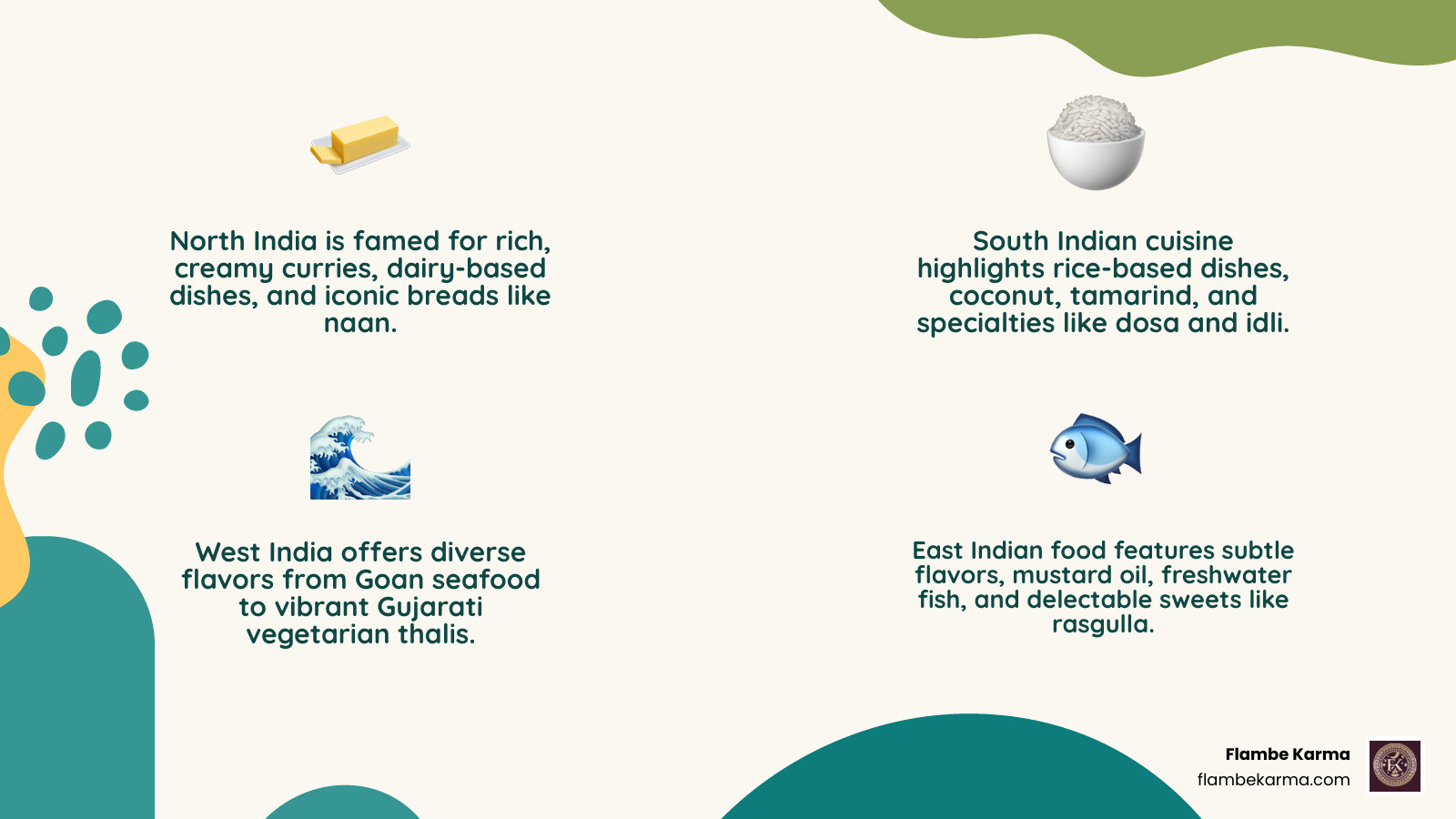
The Heart and Soul of Indian Cuisine: Ingredients & Influences
The foundation of Indian food is a rich mix of ancient grains, vibrant spices, and time-honored cooking traditions. Understanding these core elements helps us appreciate the depth and complexity of each dish.
Common Staple Ingredients
At the heart of Indian food are staples that have sustained its people for millennia, forming the base for incredible flavors.
- Rice: A primary staple in South and East India, rice is used in countless forms, from steamed rice and biryanis to flour for breads and desserts. Its cultivation dates back thousands of years.
- Wheat: Dominant in North and West India, wheat is transformed into flatbreads like roti, naan, and paratha. According to the India Brand Equity Foundation, bread was a staple during the Indus Valley Civilization.
- Lentils (Dal): The backbone of vegetarian Indian food, lentils provide essential protein. They appear in various forms, from simple dal tadka to rich dal makhani. “Dal” refers to all lentil soups.
- Chickpeas: Known as chana or chole, these are celebrated in hearty, nutritious dishes like chana masala.
- Ginger: Fresh ginger provides a pungent, warming note to savory and sweet dishes, and is a key ingredient in masala chai.
- Garlic: Alongside ginger, garlic forms the aromatic base for many Indian gravies and stir-fries.
- Green Chilies: The widespread use of green chilies, which provide fresh heat and flavor, highlights India’s love for spice.
- Ghee: Clarified butter, or ghee, is prized for its rich, nutty flavor and high smoke point, used for frying and drizzling over finished dishes.
These ingredients become extraordinary when combined with the “magic of masala.” For more on their historical significance, explore The Story of Our Food.
The Magic of Masala: A World of Spices
The art of Indian food is the art of spices. “Masala” means a mixture of spices, and this intricate blending creates complex, layered flavors—not just heat, but aroma, depth, and balance. Spices were central to global trade routes for centuries, as detailed in The History of the Spice Trade in India.
Some of the most essential spices include:
- Turmeric: Known for its vibrant yellow color, earthy flavor, and health benefits.
- Cumin: Used whole or ground, cumin adds a warm, aromatic note.
- Coriander: Both the seeds (ground) and fresh leaves (cilantro) are fundamental, offering citrusy and herbaceous notes.
- Cardamom: Green cardamom is used in savory and sweet dishes, while black cardamom adds a smoky depth.
- Cloves: Sweet and pungent, cloves contribute warmth and intensity.
- Cinnamon: Used for its sweet, woody aroma in savory dishes and spice blends.
- Fenugreek (Methi): The seeds offer a slightly bitter, maple-like flavor, while dried leaves (kasuri methi) impart a unique earthiness.
- Garam Masala: The most famous Indian spice blend, “garam masala” translates to “warm spices.” It’s a mix of ground spices like cumin, coriander, and cardamom, often added at the end of cooking to improve aroma.
The precise combination of these spices creates distinct flavor profiles that differentiate regional cuisines.
Traditional Cooking Methods & Utensils
The tools and techniques in Indian food preparation are as diverse as the ingredients, imparting unique textures and flavors.
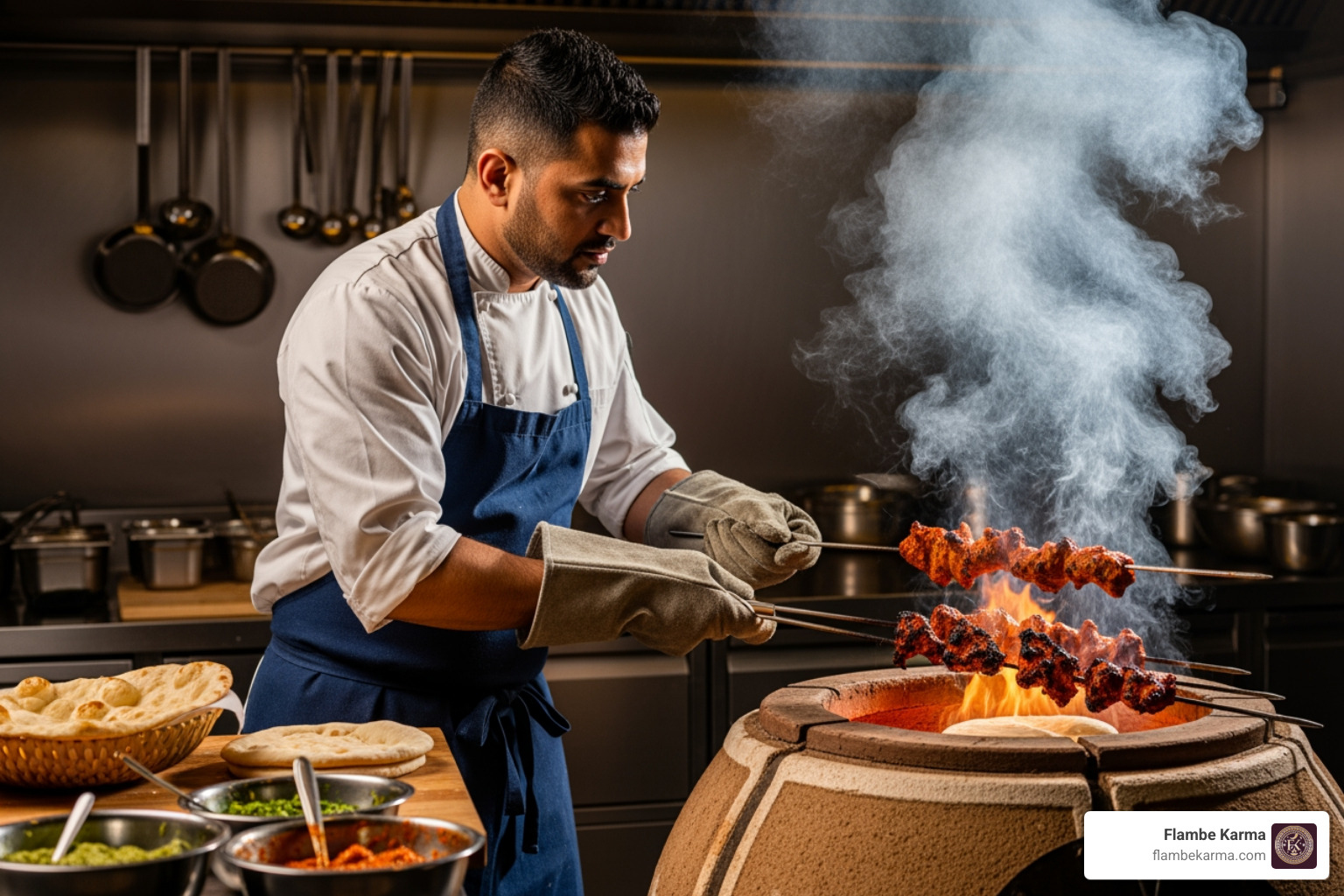
- Tandoor (Clay Oven): This cylindrical clay oven is central to North Indian cooking. Its intense heat produces smoky, charred flavors perfect for baking naan and cooking tandoori chicken or paneer.
- Tawa (Griddle): A flat or concave griddle essential for making flatbreads like roti and chapati quickly and evenly.
- Karahi (Wok): Similar to a wok, the karahi is a deep, circular pot used for stir-frying, deep-frying, and simmering curries.
- Dum Pukht (Slow Cooking): This ancient method involves cooking food in a sealed pot over low heat, allowing ingredients to tenderize in their own juices. It’s famously used for rich biryanis and kormas.
- Tadka (Tempering): A technique where whole spices are briefly fried in hot oil or ghee to release their flavors, then poured over a dish like dal to finish it with an aromatic flourish.
The Influence of Culture and Religion on Indian food
Indian food is profoundly shaped by its rich cultural and religious landscape, making it deeply symbolic, as noted by the Association for Asian Studies.
- Vegetarianism: Due to religious beliefs in Hinduism, Jainism, and Buddhism, a significant portion of India’s population is vegetarian. This has led to a diverse and sophisticated range of plant-based dishes.
- Ayurveda Principles: The ancient Indian system of medicine, Ayurveda, influences dietary practices by emphasizing food’s role in health and balance. Meals are often designed to balance the body’s doshas (energies).
- Sattvic Diet: Derived from Ayurvedic principles, the Sattvic diet promotes purity and balance, favoring fresh, natural ingredients while avoiding meat, onions, and garlic. It is often followed by yogis.
- Halal Practices: In Muslim communities, meat is prepared according to Halal dietary laws to ensure it is permissible for consumption.
- Food for Festivals: Food is central to Indian festivals. Special dishes are prepared for occasions like Diwali (sweets like ladoo), Eid (rich biryanis), and regional harvest festivals. These foods often carry symbolic meaning. For historical perspective, see Food Culture in Sangam Age.
These influences contribute to the incredible variety seen across India, making it a delicious and meaningful culinary experience.
A Culinary Tour: The Four Corners of Indian Food
The variations in Indian food from one region to another are astounding, shaped by local produce, history, and culture. Let’s explore the distinct flavors of North, South, West, and East India.
North Indian Cuisine: Rich, Creamy, and Hearty
North Indian cuisine is the most globally recognized style of Indian food, known for rich, creamy gravies, dairy, and hearty breads. Influenced by the Mughal Empire, its Mughlai dishes are opulent and aromatic.
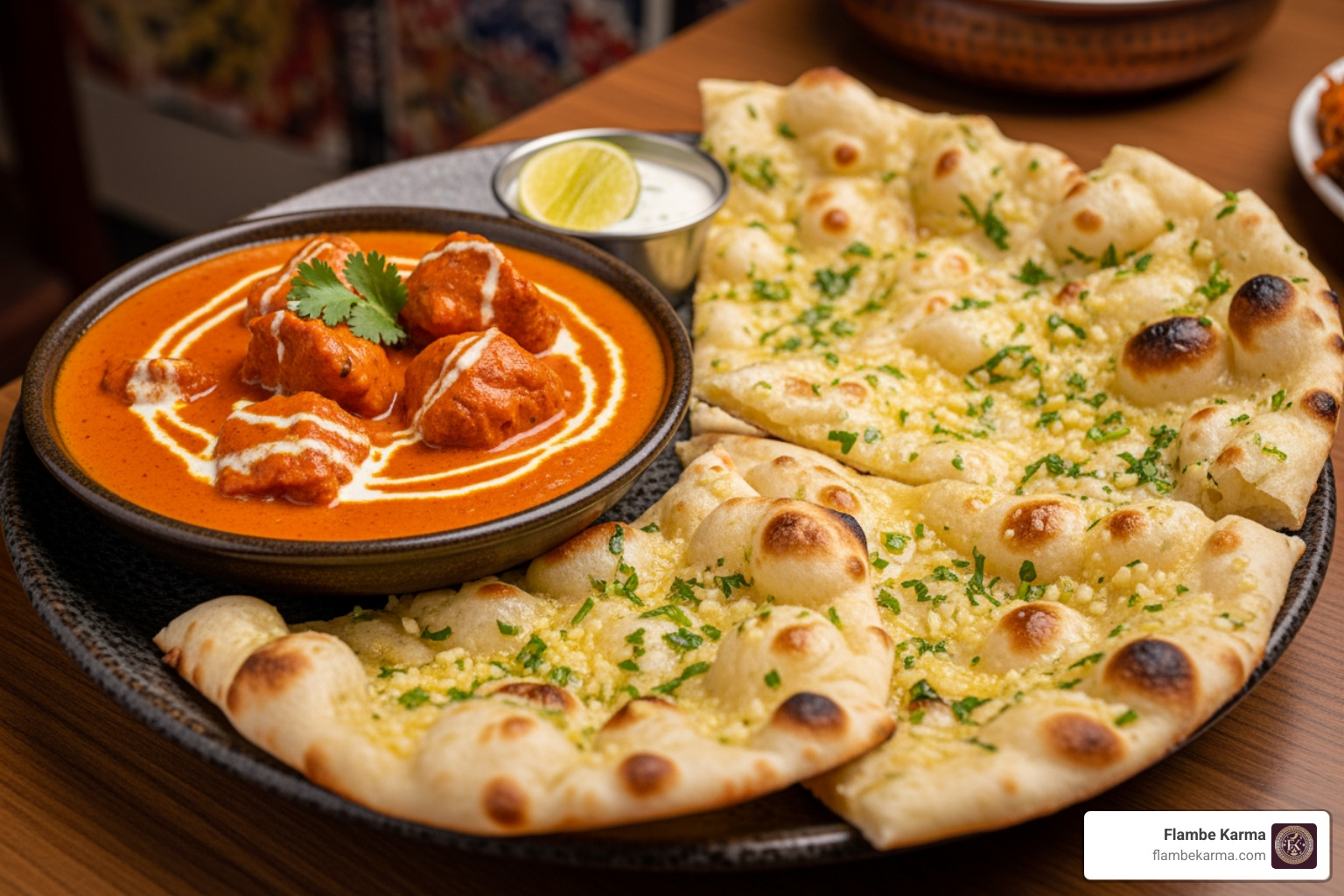
- Mughlai Influence: The Mughal Empire introduced Persian and Central Asian flavors, resulting in rich, mildly spiced dishes with nuts, dried fruits, and cream.
- Use of Dairy: Ghee, yogurt, and paneer (Indian cheese) are prominent. Yogurt tenderizes meats and forms a base for gravies, while paneer is a staple vegetarian protein.
- Butter Chicken (Murgh Makhani): This world-famous dish features chicken in a creamy, tomato-based sauce, a perfect example of North India’s rich, comforting flavors.
- Palak Paneer: A popular vegetarian dish combining fresh spinach (palak) with cubes of paneer in a rich, creamy sauce.
- Rogan Josh: An aromatic lamb curry from Kashmir with a vibrant red color from dried Kashmiri chilies and tender meat in a gravy of ginger, garlic, and exotic spices.
- Chole Bhature: A quintessential North Indian meal of spicy chickpea curry (chole) served with fluffy, deep-fried bread (bhature).
- Samosas: These iconic triangular pastries filled with spiced potatoes or meat are a beloved deep-fried snack.
- Naan: A soft, leavened flatbread baked in a tandoor, often brushed with butter or garlic, perfect for rich curries.
For a deeper dive, the Cookbook: Cuisine of India is a great resource.
South Indian Cuisine: Spicy, Tangy, and Rice-Based
South Indian cuisine is distinctly different, emphasizing rice, coconut, and tamarind for a tangy, often spicier flavor profile.
- Coconut: Fresh coconut (grated, milk, or oil) is a foundational ingredient, lending sweetness and richness to many dishes.
- Tamarind: This sour fruit pulp imparts a characteristic tanginess to dishes like rasam and various curries.
- Rice as a Staple: Rice is the primary grain, used for idli, dosa, and served steamed with gravies.
- Dosa: A thin, crispy crepe from fermented rice and lentil batter, often filled with savory potato (masala dosa) and served with sambar and chutney.
- Idli: Soft, fluffy steamed cakes made from a similar fermented batter, typically enjoyed for breakfast.
- Sambar: A flavorful, tangy lentil stew packed with vegetables and seasoned with a unique spice blend.
- Rasam: A light, peppery, and tangy soup made with tamarind and tomatoes, often served as a digestive or with rice.
- Hyderabadi Biryani: A celebrated South Indian specialty, this dish features fragrant basmati rice layered with marinated meat and slow-cooked to perfection.
West Indian Cuisine: A Sweet and Savory Mix
West Indian food offers a fascinating blend of coastal flavors, sweet-and-sour dishes, and diverse vegetarian fare, reflecting the region’s varied geography.
- Goan Seafood: With its Portuguese history, Goa boasts a unique cuisine featuring seafood. Goan Fish Curry, with coconut milk and tangy kokum, is a prime example.
- Pork Vindaloo: An iconic Goan dish adapted from a Portuguese recipe, this is a fiery, tangy pork curry marinated in wine vinegar and garlic.
- Gujarati Thali: Gujarat is known for its vegetarian cuisine, balancing sweet, sour, and spicy flavors. A Gujarati thali is a platter with a variety of small dishes, offering an excellent way to sample multiple tastes.
- Dhokla: A popular Gujarati snack of soft, spongy steamed cakes made from fermented chickpea flour.
- Vada Pav: This popular street food from Maharashtra consists of a spicy potato fritter (vada) in a soft bread roll (pav).
- Use of Peanuts: Peanuts are frequently used in Maharashtra, adding a distinct nutty flavor to curries and snacks.
For more on this region’s delights, see Flavorful India: Treasured Recipes from a Gujarati Family.
East Indian Cuisine: Subtle Flavors and Sweet Delights
East Indian cuisine offers a more subtle but flavorful dimension to Indian food. With fewer spices, the natural flavors of ingredients like freshwater fish and sweets shine through.
- Freshwater Fish: Abundant in the region’s rivers, freshwater fish is a staple, especially in West Bengal and Odisha.
- Mustard Oil: This is the primary cooking medium in many parts of East India, imparting a pungent, distinctive flavor.
- Panch Phoron (Five-Spice Blend): This unique Bengali and Odia blend of whole seeds (fenugreek, nigella, cumin, mustard, fennel) is used to temper dishes.
- Litti Chokha: A rustic dish from Bihar, litti are baked wheat flour balls stuffed with sattu (roasted gram flour) and served with chokha (a mash of roasted vegetables).
- Macher Jhol (Bengali Fish Curry): A light, flavorful fish curry made with freshwater fish in a thin gravy of mustard oil and spices.
- Rasgulla: A famous Bengali sweet of soft, spongy cheese balls (chhena) soaked in a light sugar syrup.
- Sandesh: Another beloved Bengali sweet made from fresh, subtly sweetened chhena.
Beyond the Main Course: Snacks, Sweets, and Drinks
While the main courses of Indian food are undoubtedly captivating, the culinary journey doesn’t end there. India’s vibrant street food culture, indulgent desserts, and refreshing beverages offer another layer of delicious exploration.
Popular Indian Snacks (Chaat)
The term “chaat” is an umbrella term for a variety of savory street foods that are typically tangy, spicy, sweet, and crunchy – a true explosion of flavors and textures in every bite. These snacks are an integral part of daily life and informal gatherings.
- Street Food Culture: Indian street food is a phenomenon, offering quick, affordable, and incredibly flavorful bites at every corner. We love the energy and excitement of this culinary tradition.
- Samosa: These deep-fried, crispy pastries filled with spiced potatoes, peas, or sometimes minced meat, are a universally loved snack. We’ve found that a fresh, hot samosa is hard to beat!
- Pakora: Crispy fritters made by dipping various vegetables (like onion, potato, or paneer) in a spiced chickpea flour batter and deep-frying them until golden. They are perfect with a cup of hot masala chai.
- Pani Puri: A delightful and interactive snack, pani puri consists of hollow, crispy puris filled with spiced mashed potatoes or chickpeas, dipped into tangy, spicy tamarind water (pani), and eaten in one bite. It’s fast, fun, and surprisingly refreshing.
- Bhel Puri: A savory snack made from puffed rice, vegetables (onions, potatoes, tomatoes), and a medley of chutneys, offering a satisfying mix of crunchy, tangy, and sweet.
- Aloo Tikki: Spiced potato patties, often pan-fried until crispy and served with chutneys and yogurt.
The Sweet Finale: Indian Desserts
No meal in India is complete without a sweet ending. Indian desserts, or mithai, have long been rooted in tradition and are closely tied to cultural celebrations and everyday meals, as highlighted by HospitalityWorld from the Economic Times. They often feature milk, sugar, ghee, and nuts.
- Gulab Jamun: Often considered the king of Indian desserts, these are soft, spongy milk-solid balls deep-fried and then soaked in a fragrant rose-flavored sugar syrup.
- Jalebi: A popular coiled sweet made by deep-frying a fermented batter in pretzel-like shapes and then soaking them in sugar syrup, resulting in a crispy, juicy treat.
- Kheer (Rice Pudding): A creamy rice pudding slow-cooked with milk, sugar, cardamom, and often garnished with nuts like almonds and pistachios.
- Barfi: A fudge-like sweet made from condensed milk, sugar, and ghee, often flavored with cardamom, pistachios, or coconut, then set and cut into squares or diamonds.
- Halwa: A rich, dense pudding that can be made from various ingredients like carrots (gajar ka halwa), semolina (sooji halwa), or lentils, cooked with ghee, sugar, and nuts.
- Ladoo: Spherical sweets made from flour (often chickpea or semolina), sugar, ghee, and various flavorings like cardamom or nuts, often prepared for festivals.
Must-Try Drinks and Accompaniments for Indian food
To fully enjoy Indian food, we know that the right drinks and accompaniments are essential to balance flavors and cleanse the palate.
- Masala Chai: This “heavenly concoction of tea cooked with milk and spices” is the ultimate comfort drink for most Indians. “Chai” means tea and “masala” means spices. Its key ingredients typically include black CTC tea, milk, sugar, and a blend of spices like fresh ginger, cardamom, black pepper, bay leaves, cinnamon, and saffron. We find that serving it in an unglazed terracotta cup, or ‘kulhar’, improves the earthy taste and overall experience.
- Lassi (Sweet and Salty): A refreshing yogurt-based drink, lassi comes in sweet versions (often flavored with mango, rose, or fruit) and savory, salted versions, which are excellent for cooling down after a spicy meal.
- Raita: A cooling condiment made from yogurt, mixed with chopped vegetables (like cucumber or onion), herbs, and mild spices. It acts as a perfect counterpoint to spicy curries.
- Chutney: These vibrant condiments add a burst of flavor. While many are familiar with fruit chutneys like mango, we also love herb-based ones like cilantro and mint, which add freshness and zing.
- Achar (Pickle): Indian pickles are flavored and often spicy, made from fruits or vegetables preserved in oil and spices. A small amount adds a powerful punch to any meal.
- Papadum: Thin, crispy lentil crackers, often fried or roasted, served as an appetizer or accompaniment to main dishes. They provide a satisfying crunch and can be topped with various chutneys or spices.
Frequently Asked Questions about Indian Cuisine
We often hear common questions about Indian food, and we’re happy to explain some aspects of this incredible cuisine.
Is all Indian food spicy?
This is a common misconception! While many Indian food dishes are indeed spicy, “spice” in India refers more to flavor and aroma than just heat. Indian cuisine uses a vast array of spices to create complex flavor profiles. You’ll find dishes that are hot, but also many that are mild, subtly spiced, or even sweet.
For instance, creamy dishes like Korma are typically mild, focusing on nutty and rich flavors. Dal Makhani, a black lentil dish, is known for its buttery and comforting taste rather than heat. At our restaurant, we understand that everyone has a different palate, which is why we offer to cook each dish according to your preferred spice level. This way, you can explore the rich flavors without being overwhelmed by heat.
What is the difference between Naan and Roti?
Naan and Roti are both popular Indian flatbreads, but they differ significantly in their ingredients, preparation, and texture.
- Naan: We make naan with white all-purpose flour, and it’s a leavened bread, meaning it uses yeast or yogurt to rise, resulting in a soft, fluffy texture. Naan is traditionally baked in a tandoor (clay oven), which gives it a distinctive smoky flavor and slightly charred spots. It’s often brushed with ghee or butter.
- Roti: Roti, also known as chapati, is an unleavened flatbread made from whole wheat flour. It’s typically cooked on a tawa (flat griddle) on the stovetop. Roti is thinner, softer, and more pliable than naan, making it a staple in Indian homes for everyday meals.
While both are delicious accompaniments to curries and gravies, naan offers a richer, chewier experience, while roti is lighter and more wholesome.
What are some popular vegetarian Indian dishes?
Indian food is a paradise for vegetarians, with an incredible array of flavorful and diverse plant-based dishes. Here are some of our favorites:
- Paneer Butter Masala: A rich and creamy dish featuring cubes of paneer (Indian cheese) cooked in a luscious tomato-based gravy, similar to butter chicken but vegetarian.
- Dal Makhani: A hearty and comforting dish made from black lentils and kidney beans, slow-cooked with butter, cream, and aromatic spices.
- Malai Kofta: Soft, creamy paneer and vegetable dumplings (kofta) served in a rich, mild, and often nutty gravy.
- Chana Masala: A flavorful curry made with chickpeas (chana) cooked in an onion-tomato gravy with a blend of spices. It’s protein-packed and incredibly satisfying.
- Saag Paneer: A nutritious and delicious dish where fresh spinach (saag) is cooked with spices and diced paneer, offering a vibrant green and creamy texture.
These dishes showcase the versatility and richness of vegetarian Indian food, proving that meat is by no means necessary for a deeply satisfying meal.
Conclusion: Your Culinary Adventure Awaits
We hope this culinary journey through the vibrant world of Indian food has sparked your curiosity and appetite! We’ve explored the foundational ingredients, the magical role of spices, and the diverse regional specialties that make this cuisine so unique. From the rich, creamy gravies of the North to the tangy, rice-based delights of the South, the sweet and savory blends of the West, and the subtle fish preparations of the East, every corner of India offers a distinct gastronomic experience.
The importance of spices, far beyond just heat, is central to creating the complex aromas and flavors that define Indian food. Whether it’s the comfort of a Masala Chai or the zesty kick of a Pani Puri, the breadth of snacks, sweets, and drinks ensures there’s always something new to find.
At Flambe Karma, we are passionate about bringing these incredible flavors to you. Our aim is to provide a memorable dining experience that engages all the senses, celebrating the rich mix of Indian food while also offering innovative fusion cuisine. We invite you to start on your own culinary adventure with us, right here in Buffalo Grove and Glen Ellyn. Find our artistic ambiance, enjoy our excellent service, and perhaps even try our specialty Flambe Skewers, which bring a unique flair to traditional dishes.
Ready to taste the magic? Explore our menu and book your table in Buffalo Grove or Glen Ellyn today!