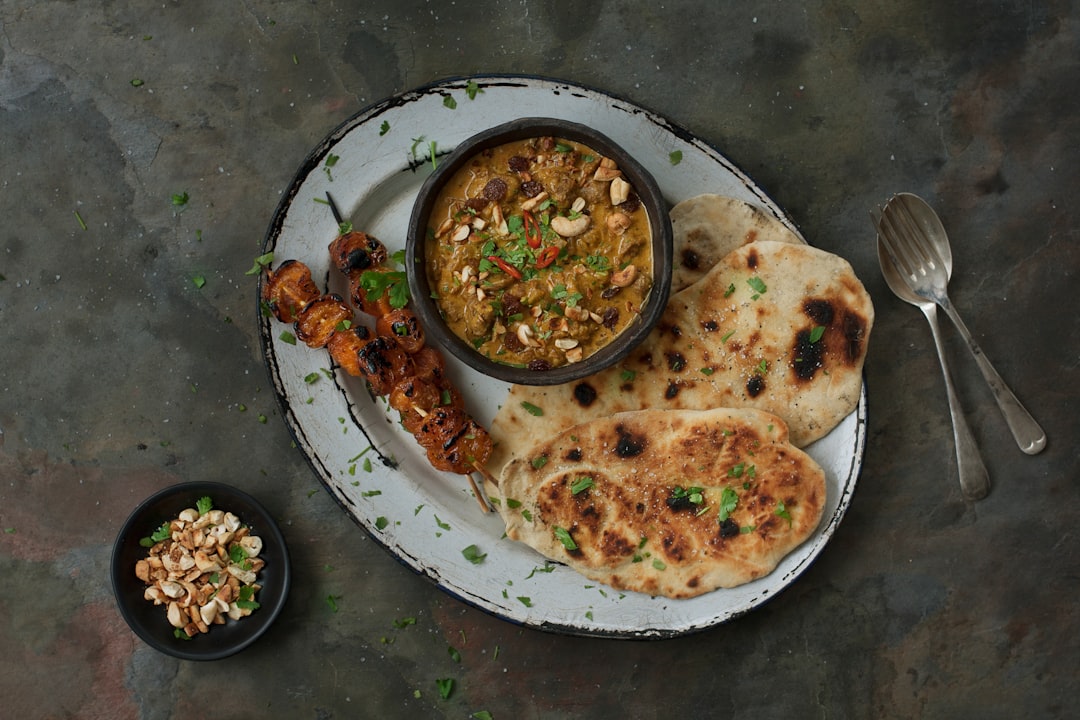
Introduction: A New Chapter in Culinary History
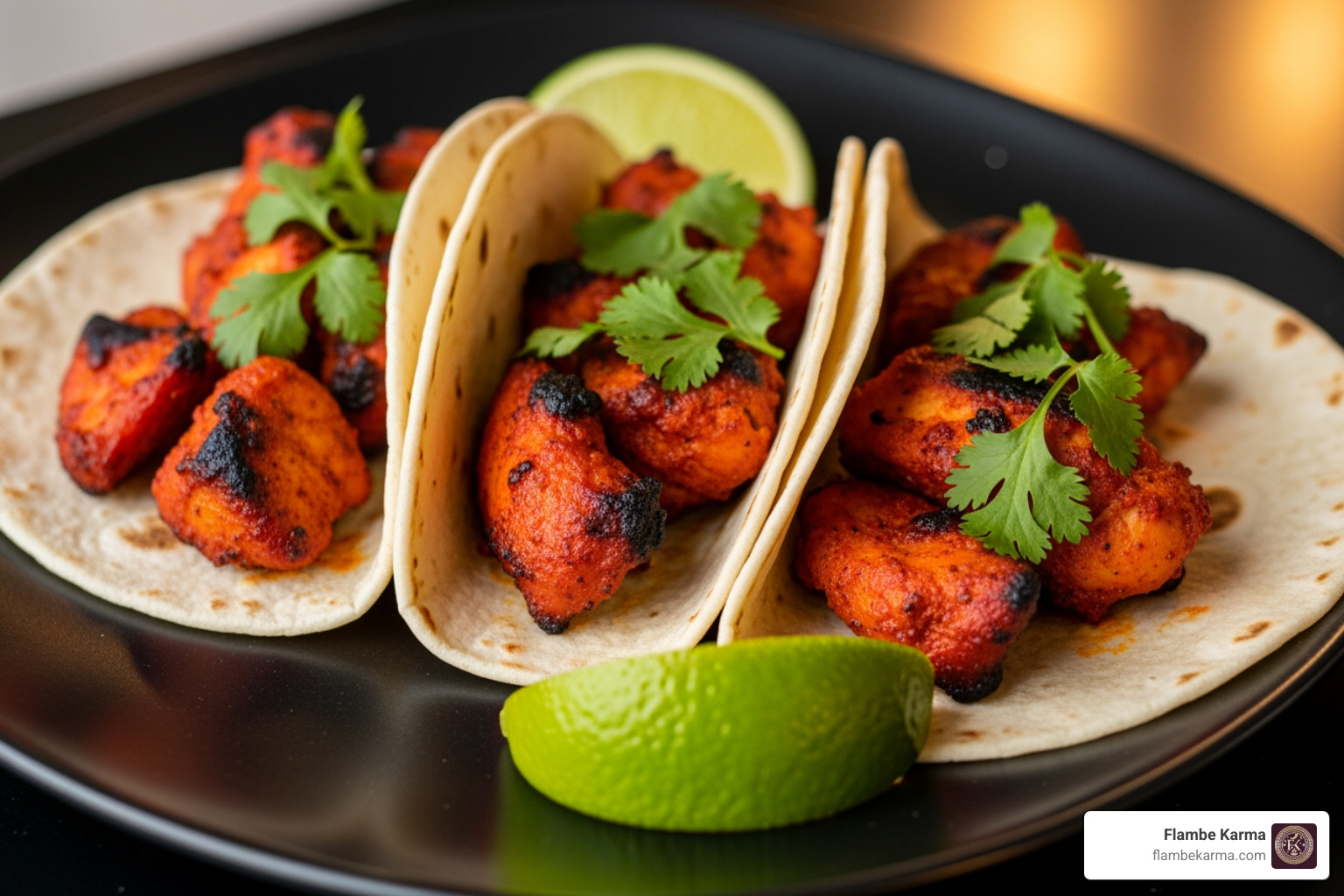
Indian fusion cuisine blends the bold spices and rich traditions of India with flavors, ingredients, and techniques from around the world. It creates exciting new dishes that honor tradition while embracing innovation—think tandoori chicken tacos, paneer tikka pizza, or gulab jamun cheesecake.
What Makes Indian Fusion Different:
- Traditional Indian Cuisine: Follows centuries-old regional recipes, specific spice blends, and authentic cooking methods passed down through generations.
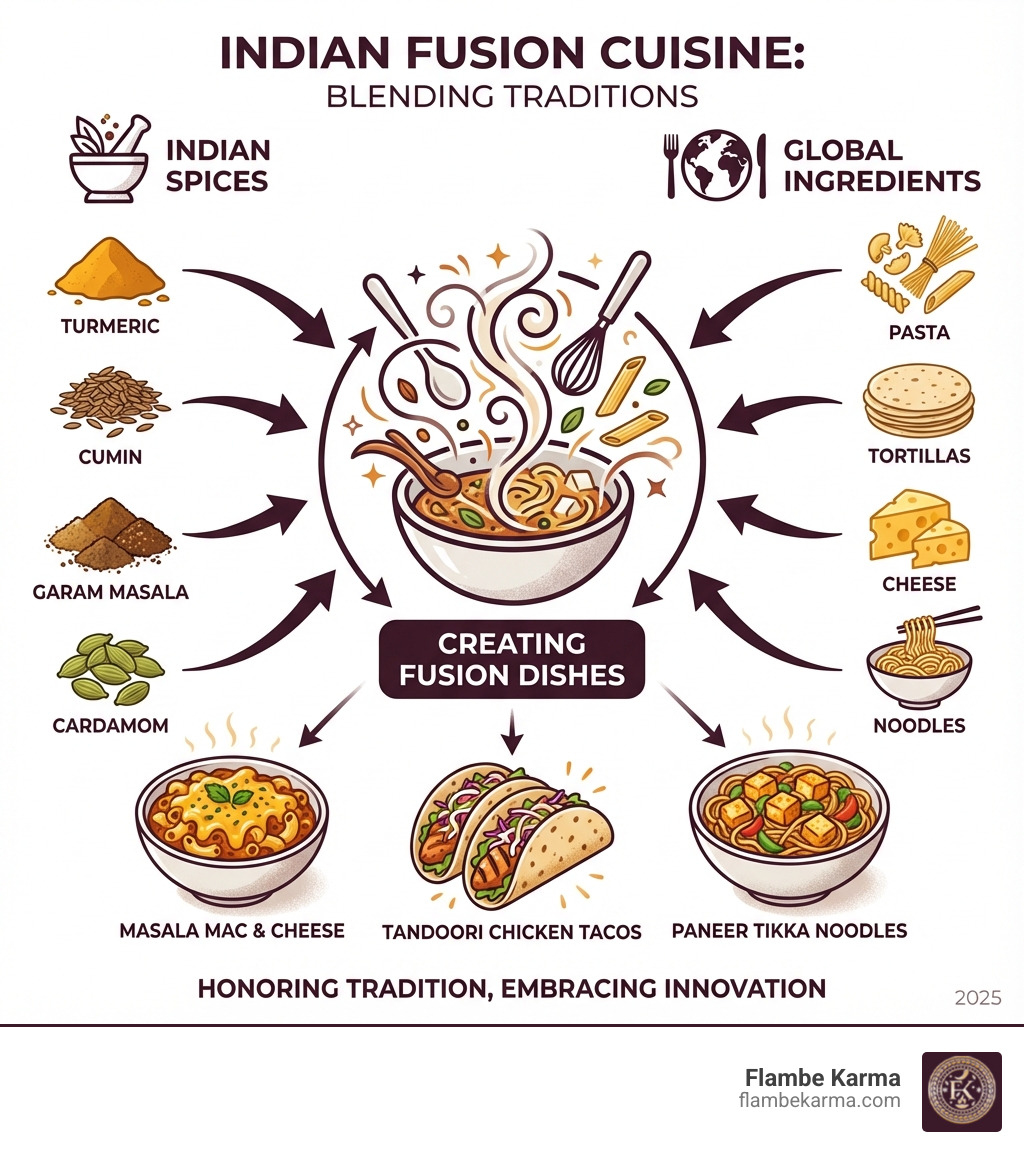
- Indian Fusion Cuisine: Creatively combines Indian spices, ingredients, and techniques with elements from Chinese, Mexican, Italian, or American cuisines to create entirely new dishes.
- The Goal: Balance familiar flavors in unexpected ways—like masala mac and cheese or butter chicken lasagna—while maintaining the complexity Indian food is known for.
The story of fusion is older than you might think. When Punjabi immigrants married Mexican women in 1940s California, their families created dishes like the roti quesadilla—a paratha wrapped around cheese and served with curry chicken dipping sauce. This wasn’t marketing or trend-chasing. It was real people blending their lives and their kitchens.
Today, fusion has evolved far beyond these organic beginnings. Chefs worldwide experiment with Indian spices in pasta dishes, wrap tandoori paneer in tortillas, and reimagine traditional sweets as modern desserts. The United States has become one of the biggest fans of Indian cuisine, and fusion dishes are a major reason why.
But here’s what matters most: fusion isn’t about abandoning tradition. It’s about conversation between cultures. It’s about respecting the depth of Indian cooking while asking, “What happens if we try this?”
At its best, Indian fusion cuisine creates moments of surprise and delight. It introduces new diners to Indian flavors through familiar formats. And it gives adventurous eaters something they’ve never tasted before.
A Culinary Crossroads: The Origins and Evolution of Indian Fusion
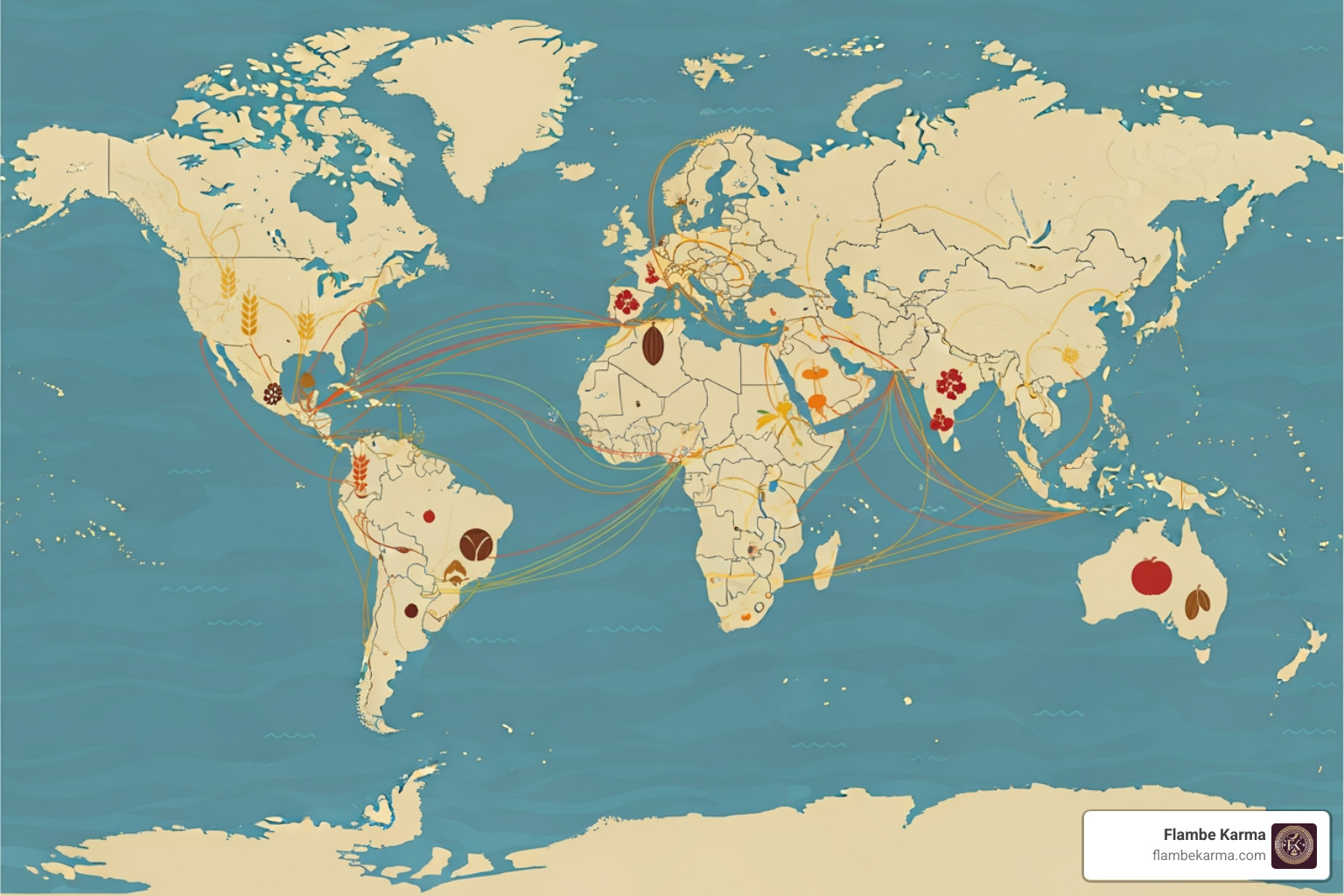
The concept of fusion in cuisine is hardly new; in fact, its origins are as old as history itself. When countries began trading and exploring different cultures, they inevitably introduced new spices, herbs, and cooking methods to each other. India, with its central location on ancient trade routes like the Silk Road and its long history of cultural exchange, has always been a melting pot of culinary influences. This rich mix of interactions laid the groundwork for what we now celebrate as Indian fusion cuisine.
Historically, foreign influences have continuously shaped Indian cooking. The Silk Road, for instance, brought not only goods but also culinary ideas from Central Asia and China. Later, during the colonial era, the British, Portuguese, and French left their indelible marks on Indian kitchens, giving rise to dishes like Anglo-Indian cuisine, which blends Indian spices with European techniques and ingredients. This early form of fusion was a natural evolution, born from necessity and adaptation.
Perhaps one of the most prominent and enduring forms of early Indian fusion cuisine is Indo-Chinese food. This distinct style emerged from Chinese immigrants in Kolkata who adapted their traditional dishes to suit the Indian palate, incorporating more spices, sauces, and local vegetables. Dishes like Hakka Noodles, Gobi Manchurian, and Chilli Chicken became staples, so popular that Chinese cuisine was ranked as India’s favorite after local food in 2007. It’s a testament to how seamlessly these two culinary worlds could merge, creating something entirely new and beloved.
The evolution of Indian fusion cuisine continued with various immigration patterns around the world. As Indian communities settled in new lands, they often improvised, using local ingredients to recreate familiar tastes or blending Indian flavors with the cuisines of their new homes. This organic fusion, like the historical roti quesadilla example, was driven by community, necessity, and a desire to connect with both heritage and new surroundings. Today, this evolution is propelled by modern chefs and food enthusiasts who intentionally explore cross-cultural culinary dialogues, pushing boundaries and creating innovative dishes that delight a global audience.
Defining a Modern Approach to Indian Fusion Cuisine
At its heart, Indian fusion cuisine is about taking the essence of Indian flavors – the vibrant, aromatic spices – and marrying them with global cooking techniques and ingredients. We start with the foundational elements of Indian cooking: the key Indian spices. Think of the warm, complex notes of garam masala, the earthy glow of turmeric, the pungent aroma of cumin, and the sweet, floral hint of cardamom. These aren’t just ingredients; they are the soul of Indian food, each contributing to a symphony of taste.
When we talk about fusion, we’re not just throwing spices into any dish. It’s an art form that involves understanding how these spices can complement and lift global cooking techniques. Whether it’s the quick, high-heat stir-frying of Asian woks, the slow, even baking of European ovens, or the smoky char of Western grilling, Indian spices can transform familiar dishes into extraordinary experiences.
The true magic lies in balancing flavors. Indian fusion cuisine skillfully steers the spectrum of sweet, sour, spicy, and umami, ensuring that no single flavor overpowers another. It’s about creating a harmonious blend that is both intriguing and satisfying. Imagine a dish where the tang of tamarind meets the sweetness of a glaze, or the fiery kick of chili is mellowed by creamy coconut milk. This thoughtful balance is what makes Indian fusion cuisine so captivating and why it continues to gain popularity. For more insights into how we craft our unique offerings, you can read about our Signature Dishes That Bring Flair to Indian Cuisine.
The Most Popular Culinary Pairings
Indian fusion cuisine thrives on creative pairings, and some global cuisines have proven to be exceptionally complementary to Indian flavors. These culinary marriages have given rise to some of the most exciting and widely loved fusion dishes.
Chinese Cuisine: As we mentioned, Indo-Chinese cuisine is a phenomenon in itself, born from the adaptation of Chinese cooking to Indian tastes. Dishes like Hakka Noodles, Manchurian (a dish invented in India, often featuring fried vegetable or chicken balls in a spicy, tangy sauce), and Schezwan fried rice are ubiquitous. The stir-frying technique, combined with a bolder use of garlic, ginger, and chili, resonates deeply with Indian palates.
Mexican Cuisine: The vibrant, bold flavors of Mexico—think chili, lime, and cilantro—find a natural partner in Indian spices. This pairing has given us delightful creations like tandoori chicken tacos, paneer tikka quesadillas, and even Indian-spiced burritos. The textural contrast of soft tortillas or naan with flavorful fillings is a match made in heaven.
Italian Cuisine: Who would have thought that the rich sauces and comforting pasta dishes of Italy could blend so well with Indian spices? Yet, Indian-Italian fusion has delivered delicious innovations such as Butter Chicken Lasagna, Paneer Lasagna, or even Chicken Tikka Masala Pasta. The creamy textures and robust flavors create a truly satisfying experience.
American Comfort Food: There’s something undeniably comforting about classic American dishes, and when infused with Indian flavors, they reach new heights. Masala Mac and Cheese, Indian-spiced burgers, or even creative twists on hot dogs with chutneys showcase how well Indian spices can lift familiar comfort foods.
Middle Eastern Flavors: With shared historical trade routes and similar aromatic spices like saffron, cardamom, and cumin, the fusion between Indian and Middle Eastern cuisines is a natural fit. Dishes like paneer shawarma or spiced kebabs with a hint of Indian masala illustrate this delicious synergy.
These pairings are not just culinary experiments; they represent a dialogue between cultures, creating dishes that are both innovative and deeply satisfying.
Must-Try Dishes: A Taste of the Fusion Revolution
The beauty of Indian fusion cuisine lies in its boundless creativity, changing familiar dishes into unexpected delights. From appetizers that kick off a meal with a bang to innovative main courses and reimagined desserts, the fusion revolution offers something for every palate.
Popular Examples of Indian Fusion Cuisine
Here are some popular examples that showcase the ingenuity of Indian fusion cuisine:
- Tandoori Chicken Wings: A perfect appetizer that combines the smoky, spiced flavor of tandoor-cooked chicken with the universally loved format of chicken wings. Marinated in yogurt and Indian spices, these wings are often baked or air-fried to perfection, making them a crowd-pleaser.
- Paneer Tikka Pizza: Imagine the rich, marinated paneer tikka, grilled to smoky perfection, scattered over a crispy pizza base with a vibrant tomato sauce and mozzarella. It’s a delightful blend of Italian comfort and Indian spice.
- Masala Mac and Cheese: A creamy, cheesy classic gets a flavorful upgrade with the addition of Indian spices like garam masala, turmeric, and a hint of chili. It’s comfort food with an exotic twist, offering warmth and depth that traditional mac and cheese can only dream of.
- Naan Tacos: The soft, chewy texture of naan bread makes an excellent alternative to tortillas for tacos. Fill them with spiced chicken, paneer, or vegetables, and top with fresh chutneys and raita for a truly unique and satisfying meal.
- Butter Chicken Lasagna: This innovative dish layers tender butter chicken, creamy béchamel sauce, and pasta sheets, creating a rich and indulgent fusion that is both familiar and exciting.
- Gulab Jamun Cheesecake: The beloved Indian sweet, gulab jamun, finds a new home atop a creamy, rich cheesecake. It’s a decadent dessert that perfectly marries the sweetness of India with the classic American dessert.
- Rasmalai Tiramisu: Another stunning dessert fusion, this dish combines the delicate, milky sponge of rasmalai with the coffee-soaked layers and mascarpone cream of tiramisu, creating a light yet luxurious treat.
These dishes represent just a glimpse of the culinary possibilities. Each bite tells a story of cultural exchange and gastronomic adventure. To explore more of these exciting creations, we invite you to Explore our full fusion Menu.
The Rise of “Indian-ish” Home Cooking
Beyond the restaurant scene, Indian fusion cuisine has also found a vibrant life in home kitchens, giving rise to what some playfully call “Indian-ish” cooking. This approach is all about making Indian flavors accessible and adaptable for everyday meals, even for busy weeknights. It’s a philosophy that champions simplicity without sacrificing the rich, complex tastes that define Indian food.
Many home cooks, inspired by family traditions that naturally blended cultures, are now intentionally creating “Indian-ish” dishes. Think about the ease of a roti pizza, where a naan or roti serves as a quick base for cheese and Indian-spiced toppings. Or consider a saag paneer, where feta cheese might be used instead of traditional paneer, offering a similar salty, creamy texture with less fuss.
This trend is fueled by a desire for healthy, flavorful, and easy-to-prepare meals. Home cooks are experimenting with accessible recipes and simplified techniques, demonstrating that you don’t need a professional kitchen or exotic ingredients to enjoy the magic of Indian fusion cuisine. It’s about taking inspiration from Indian flavors and applying them to dishes that fit seamlessly into a modern lifestyle. This “healthy-ish” approach, often focusing on organic whole foods and seasonal produce, allows us to enjoy the best of both worlds – vibrant flavors and mindful eating.
The Global Appeal of Indian Fusion Cuisine
The surge in popularity of Indian fusion cuisine isn’t just a fleeting trend; it’s a testament to its broad appeal and delicious innovation. One of the most striking statistics is that the United States of America is the top country that loves Indian cuisine best, a fact that might surprise many but underscores the deep connection many Americans feel with these flavors. This widespread appreciation has undoubtedly paved the way for fusion to flourish.
Several factors contribute to this growing popularity:
- Health Consciousness: In an era where many are seeking healthier eating options, Indian fusion cuisine often delivers. Many dishes are naturally rich in vegetables, legumes, and lean proteins, and the emphasis on fresh spices over heavy oils can make them a nutritious choice. The ability to offer abundant vegetarian and vegan options is a huge draw, especially considering India is the world’s largest vegetarian country. This resonates with a global movement towards plant-based diets and health-conscious eating, often allowing for dishes without excessive preservatives.
- Versatility and Innovation: Indian fusion cuisine is incredibly versatile. It can be made with almost any ingredient, adapted for any flavor preference, and caters to a wide array of dietary needs. This adaptability means there’s always something new and exciting to try, keeping diners intrigued and satisfied.
- “Instagrammable” Food: Let’s be honest, we eat with our eyes first! The vibrant colors, artful presentations, and creative combinations inherent in Indian fusion cuisine make it highly appealing for social media. Food influencers are constantly experimenting and showcasing these unique dishes, spreading awareness and tempting new palates across platforms like Instagram. This visual appeal translates into buzz and a desire to experience these dishes firsthand.
- The Element of Surprise: Fusion dishes offer a delightful element of surprise. They take familiar forms – a taco, a pasta dish, a cheesecake – and infuse them with unexpected, yet harmonious, Indian flavors. This novelty factor makes dining out an adventure, a memorable experience that engages all the senses. At Flambe Karma, we understand that dining is more than just eating; it’s an experience that engages sight, smell, and taste. You can learn more about how we achieve this in A Dining Experience That Engages All The Senses.
The enthusiasm for Indian fusion cuisine reflects a broader cultural shift towards embracing diversity and creativity in food. It’s a culinary journey that promises delicious findies and a fresh perspective on what Indian food can be.
Frequently Asked Questions about Indian Fusion
What is the main difference between traditional Indian food and Indian fusion?
Traditional cuisine follows authentic, age-old recipes from specific regions of India, emphasizing classic spice blends and cooking methods. Fusion cuisine creatively combines these Indian elements with ingredients or techniques from other world cuisines to create entirely new dishes.
Is all Indian fusion food spicy?
Not at all. While many dishes incorporate the bold, aromatic spices India is known for, the goal of fusion is balance. Chefs often adjust heat levels to complement the other flavors in the dish, and many fusion creations are mild, creamy, or sweet.
What are some easy Indian fusion ideas to try at home?
Simple ideas include making “naan-pizzas” with your favorite toppings, adding a pinch of garam masala to a pasta sauce, creating a paneer or chicken tikka filling for tacos and wraps, or mixing chaat masala into a bowl of popcorn for a zesty snack.
Conclusion: Your Culinary Adventure Awaits
As we’ve explored, Indian fusion cuisine is a vibrant and changing culinary landscape. It’s a testament to the creativity of chefs and the harmonious blending of cultures, proving that food can transcend borders and traditions. From its historical roots in ancient trade and colonial influences to the modern “Indian-ish” home cooking and innovative restaurant dishes, fusion represents the endless possibilities when culinary worlds collide.
The future of food is undeniably fusion. It’s a space where tradition is honored, innovation is celebrated, and every meal is an adventure. We believe that this culinary movement offers not just new flavors, but new ways of experiencing and appreciating diverse cultures through the universal language of food.
At Flambe Karma, we are passionate about bringing this exciting world of Indian fusion cuisine to your table. With our artistic ambiance, memorable dining experiences, and specialty Flambe Skewers, we strive to create a unique culinary journey for every guest in Buffalo Grove and Glen Ellyn. We invite you to experience the art of fusion, where bold Indian flavors meet global inspirations in a symphony of tastes.