
Why Indian Food for Dinner Belongs on Your Table Every Week
Indian food for dinner is one of the most rewarding choices you can make — rich flavors, satisfying textures, and endless variety, whether you eat meat or not.
Here are the most popular Indian dinner dishes to get you started:
| Dish | Type | Key Flavor |
|---|---|---|
| Butter Chicken | Chicken curry | Creamy, mild, tomato-based |
| Chicken Biryani | Rice dish | Aromatic, spiced, layered |
| Chana Masala | Vegan | Bold, tangy, chickpea-based |
| Dal Tadka | Vegan | Earthy, comforting, lentil-based |
| Rajma Curry | Vegetarian | Hearty, protein-rich, Punjabi-style |
| Kadai Paneer | Vegetarian | Spiced, fresh, pepper-forward |
| Aloo Gobi | Vegan | Dry, aromatic, potato and cauliflower |
| Lamb Vindaloo | Meat curry | Bold, tangy, fiery |
Indian cuisine spans dozens of regional traditions — from creamy Punjabi gravies to lighter South Indian coconut-based dishes. It uses a core set of spices and techniques that, once you understand them, make home cooking feel surprisingly approachable.
And the payoff? Restaurant-quality meals that are deeply nourishing, endlessly customizable, and almost always better the next day.
Essential Indian Food for Dinner: Popular Meat and Poultry Curries
When most people think of indian food for dinner, their minds immediately go to the rich, aromatic meat curries that have become global favorites. At Flambe Karma, we know that the secret to these dishes lies in the patience of the cook and the quality of the marinade.
The Crown Jewel: Butter Chicken (Murgh Makhani)
Butter Chicken is arguably the most famous Indian dish worldwide. It consists of tender chicken pieces bathed in a silky tomato and cream sauce. To make this at home, we recommend marinating your chicken in yogurt and spices for at least four hours. This tenderizes the meat, ensuring it stays juicy. For a modern twist, many of our guests in Buffalo Grove and Glen Ellyn are exploring how these classic flavors translate into new formats. You can learn more about this in our guide on Beyond Butter Chicken: Exploring Delicious Indian Fusion Dishes.
The King of Rice: Chicken Biryani
Biryani is more than just “spiced rice”; it is a celebratory meal. Authentic Chicken Biryani (which boasts a staggering 4.94 rating from hundreds of home cooks) involves layering partially cooked basmati rice with a rich chicken gravy. The pot is then sealed to trap steam, a process known as “Dum” cooking. In May 2026, home cooks are increasingly using shortcut methods to make this possible on a Tuesday night, but the essence remains the same: high-quality long-grain rice and a heavy hand with aromatics like cardamom and saffron.
Creamy Sophistication: Chicken Korma
If you want something less tomato-focused than Butter Chicken, Chicken Korma is your answer. It uses a base of yogurt, nuts (often cashews or almonds), and seeds to create a pale, velvety sauce. It is often described as a “life-changing” dish because of its delicate balance of sweetness and spice.
Bold and Fiery: Lamb Vindaloo and Karahi
For those who crave heat, Lamb Vindaloo is a staple. Originating from Portuguese-influenced Goa, it features a tangy, spicy sauce made with vinegar and dried red chilies. If you prefer something more robust and “dry,” Chicken Karahi (rated 4.98 by enthusiasts) is cooked in a thick-bottomed circular pot (the karahi) with plenty of ginger, garlic, and fresh tomatoes.
Expert Tip: Always try to use bone-in chicken for traditional curries (or “salan”). The marrow from the bones releases into the gravy as it simmers, providing a depth of flavor that boneless breast meat simply cannot match.
Healthy Vegetarian and Vegan Indian Dinner Options
One of the greatest strengths of Indian cuisine is its ability to make vegetables the star of the show. Whether you are a lifelong vegetarian or just participating in “Meatless Monday,” these dishes provide incredible satiety and nutrition.
Protein-Packed Legumes
Lentils (Dal) and beans are the backbone of the Indian diet. They are high in fiber, folate, and plant-based protein.
| Nutrient (per serving) | Rajma (Kidney Bean Curry) | Chana Masala (Chickpea Curry) |
|---|---|---|
| Protein | ~6.4g | ~7.0g |
| Fiber | ~2.6g | ~3.5g |
| Calories | ~207 | ~180 |
| Key Benefit | High in Folic Acid | Low Glycemic Index |
Rajma Curry is a Punjabi soul food. To get that authentic restaurant-style dark color, some chefs even drop a tea bag into the pressure cooker while boiling the beans! You can find a detailed rajma curry recipe | Punjabi rajma masala | healthy rajma curry | to master this at home.
Chana Masala is another heavy hitter, rated 4.91 for its tangy, bold flavor. It uses amchur (dried mango powder) to give it that signature “zing” that pairs so well with fluffy bhatura or simple rice.
The Classics: Aloo Gobi and Bhindi Masala
Aloo Gobi (Potato and Cauliflower) is perhaps India’s most popular dry vegetable dish. The challenge most home cooks face is preventing it from becoming mushy. According to the Aloo Gobi Recipe (Indian Potato & Cauliflower) | Nik Sharma , the secret is moisture control and sequencing your spices correctly. You want the cauliflower to have a slight “bite” and the potatoes to be tender but intact.
Bhindi Masala (Okra) is equally beloved but often feared due to the “slime factor.” By frying the okra separately before adding it to the tomato-onion base, you lock in the texture and create a dish that even picky eaters will love.
The Vegetarian “Meat”: Kadai Paneer
Paneer is a non-melting cheese that acts as a perfect sponge for spices. In a Kadai Paneer, the cheese is tossed with bell peppers and freshly ground spices in a wok. It’s a 30-minute meal that feels like a feast.
Quick Indian Food for Dinner with Pantry Staples
You don’t need a hundred ingredients to make a great indian food for dinner. In fact, some of the most nourishing meals are the simplest.
- One-Pot Kitchiri: This is the ultimate Ayurvedic comfort food. Made with rice and red lentils, it’s a “complete protein” and incredibly easy to digest. It’s often used in cleansing programs but serves as a perfect 30-minute weeknight savior.
- Instant Pot Adaptations: In May 2026, the pressure cooker is an Indian cook’s best friend. You can make a “shortcut” Biryani or a 25-minute Tikka Masala by letting the machine do the heavy lifting of tenderizing the meat and beans.
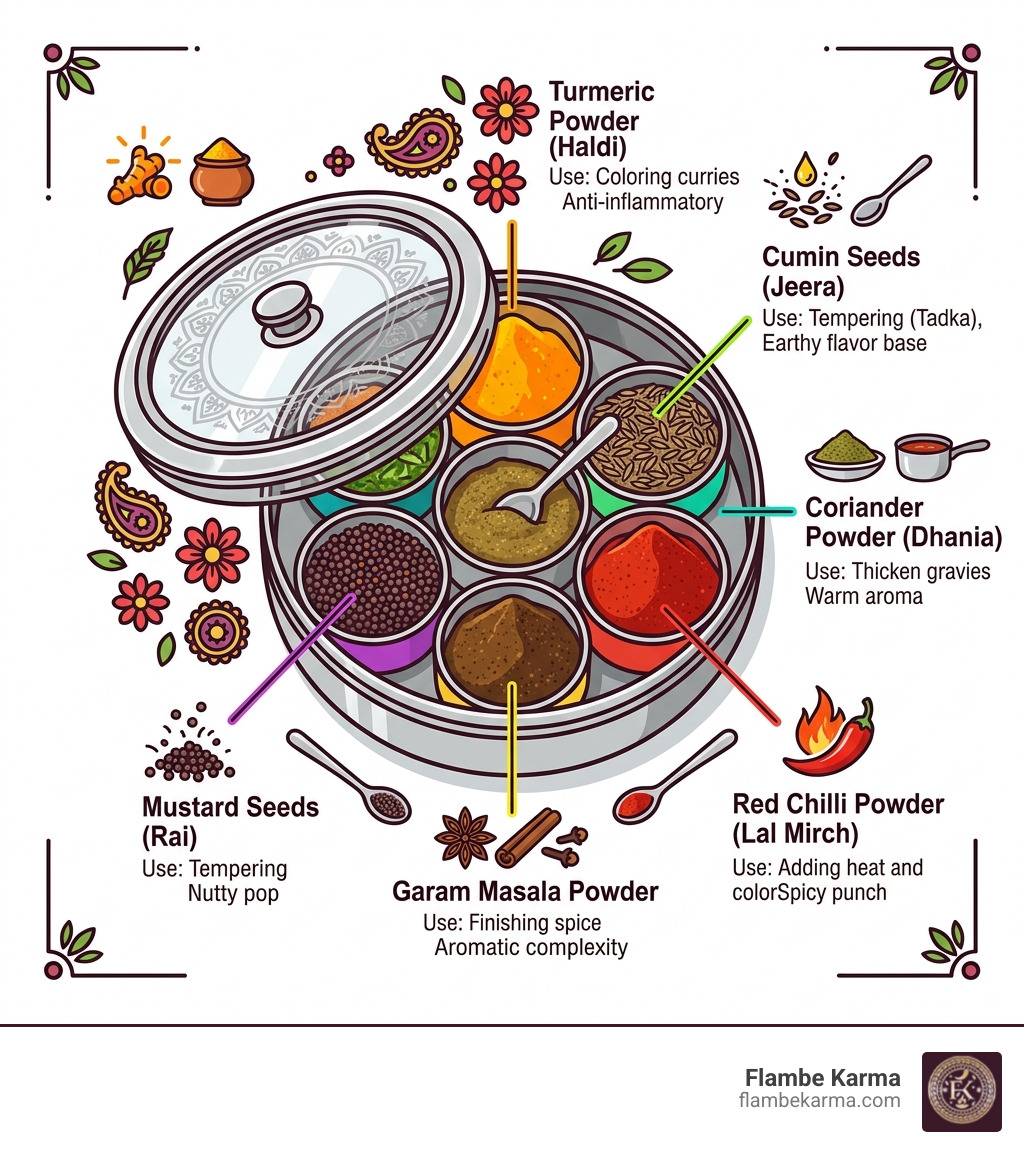
- Pantry Staples: If you have turmeric, cumin seeds, onions, and a tin of tomatoes, you have the base for almost any curry. A 15-minute Chana Masala using canned chickpeas is a lifesaver when the fridge is looking empty.
Regional Flavors and Techniques to Elevate Your Home Cooking
India is a subcontinent, not just a country, and its food reflects that massive diversity. Understanding a few key techniques can take your indian food for dinner from “okay” to “extraordinary.”
The Magic of Tadka (Tempering)
If your dal tastes a bit flat, it’s probably missing the tadka. This involves heating oil or ghee until shimmering, then dropping in whole spices like cumin seeds, dried chilies, or mustard seeds. Once they “pop” and release their oils, you pour the whole fragrant mixture over your finished dish. This adds a layer of fresh, toasted flavor that simmering alone can’t achieve.
The Bhunao Method
Bhunao is the art of sautéing your base (onions, ginger, garlic, and tomatoes) until the oil separates from the paste. If you see little bubbles of oil at the edges of your pan, you’ve done it right! This means the raw smell of the aromatics is gone, and the flavors have deepened into something truly restaurant-quality.
Regional Differences
- North Indian (Punjabi): Known for heavy use of dairy, wheat-based breads (naan/roti), and robust tomato-based gravies.
- South Indian: Focuses more on rice, coconut milk, curry leaves, and tamarind. If you’re hosting an event, Everything You Need to Know About South Indian Food Catering can help you navigate these lighter, often spicier options.
- Indo-Chinese Fusion: A massive trend in urban India, dishes like Gobi Manchurian (crispy cauliflower in a spicy soy-garlic sauce) are now staples of the Indian dinner table.
Pairing Your Indian Food for Dinner with Traditional Sides
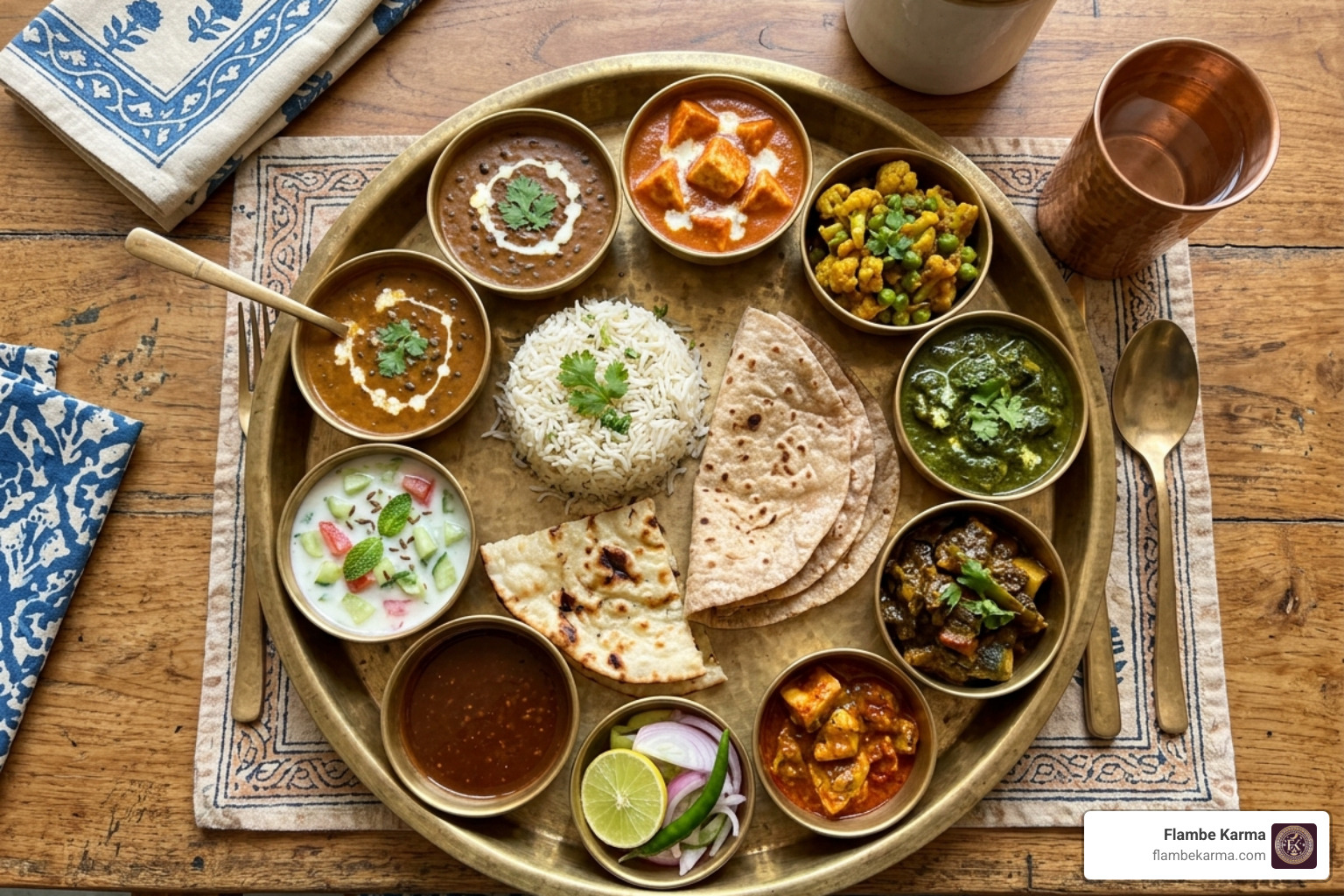
A curry alone is only half the story. To truly enjoy indian food for dinner, you need the right “mopping” tools and cooling agents.
- The Breads: While Garlic Naan is the restaurant favorite, a simple Tandoori Roti or a layered Paratha is often preferred for daily meals. Naan is traditionally made in a clay oven, but you can achieve great results at home using a very hot cast-iron skillet.
- The Rice: Jeera Rice (cumin-scented) or a simple Basmati pilaf provides the perfect neutral base for soaking up spicy gravies.
- The Cooling Elements: Never underestimate a good Cucumber Raita. The yogurt helps “reset” your palate between bites of spicy curry.
- The Extras: A dollop of Mango Chutney or a few pieces of spicy Achar (pickle) add that final hit of acid and salt. For more ideas on how to start your meal, check out our list of the Best Indian Appetizers.
Frequently Asked Questions about Indian Dinner Ideas
How can I make my Indian dinner kid-friendly?
Most children love the creamy, mild profile of Butter Chicken or Chicken Korma. If you are worried about spice, simply omit the fresh green chilies and reduce the red chili powder. You can also introduce them to Indian “Burritos” (Frankies)—wraps filled with mild potato or chicken fillings—which are easy for small hands to hold. Another winner is Aloo Matar Paneer, where the familiar taste of potatoes and peas makes the cheese more approachable.
What are the nutritional benefits of eating Indian food for dinner?
Indian food is a nutritional powerhouse. Turmeric contains curcumin, a potent anti-inflammatory. Lentils and chickpeas provide high-quality fiber and protein, which help manage blood sugar levels. Even the spices like ginger and garlic are excellent for digestion. When you cook at home, you can control the amount of oil and salt, making it a very heart-healthy cuisine.
How do I prevent my okra from becoming slimy when cooking?
This is the number one question we hear! There are three rules:
- Keep it dry: Wash your okra hours before cooking and wipe every single pod with a towel. Never chop wet okra.
- Don’t cover it: Cooking okra with a lid traps steam, which creates moisture and slime. Cook it in an open pan.
- Add acid: Adding amchur, lemon juice, or even a little yogurt toward the end of cooking helps break down the sticky fibers.
Conclusion
Whether you are simmering a slow-cooked Lamb Vindaloo or whipping up a 30-minute Kitchiri, indian food for dinner brings a sense of warmth and adventure to your kitchen. It is a cuisine that rewards curiosity and celebrates the bold use of spices.
At Flambe Karma, we take these traditional foundations and elevate them with an artistic touch. From our specialty Flambe Skewers to our signature fusion dishes, we strive to create memorable dining experiences in Buffalo Grove and Glen Ellyn. If you find yourself in Illinois this May 2026 and want to experience these flavors without the cleanup, we invite you to visit us and see how we blend tradition with modern flair.
Ready to see what’s cooking? Explore our full menu for your next dinner or visit our Indian Restaurant Buffalo Grove location for an unforgettable meal. Happy cooking, and even happier eating!